The key points from this article
- Atopic dermatitis in children is one of the most common reasons for visiting a pediatrician or dermatologist, and it can cause numerous challenges in everyday skin care.
- You may have found yourself in a situation where you are wondering how to relieve the redness, itching and unpleasant eczema that appears at an early age.
- For personal questions, continue with a recommendation so the next step fits your situation.
Products most closely related to this topic
If you want to compare concrete options after reading, these products are the closest match to the article topic.
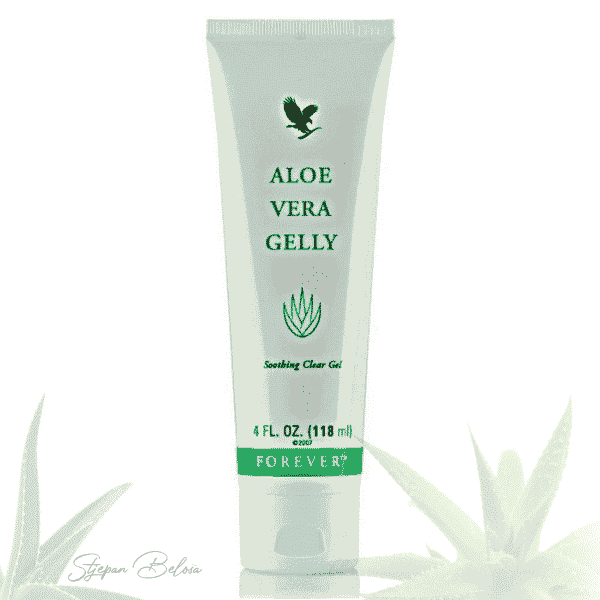 Aloe Vera Gelly
A practical outer-care product when the goal is skin comfort and a simpler care routine.
Closest to a care routine for skin, hair or everyday personal care.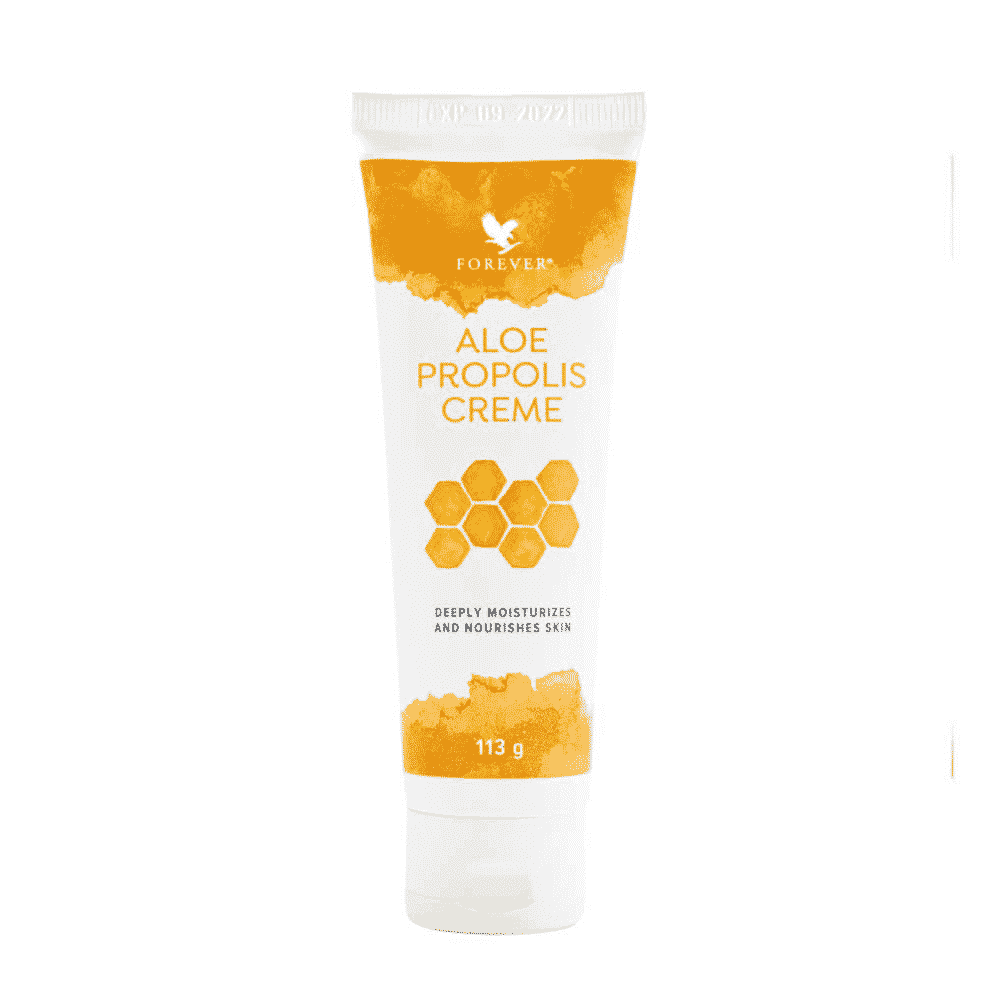 Aloe Propolis Cream
Natural daily support when you want a bee-derived or botanical product for energy and resilience.
Closest to a care routine for skin, hair or everyday personal care.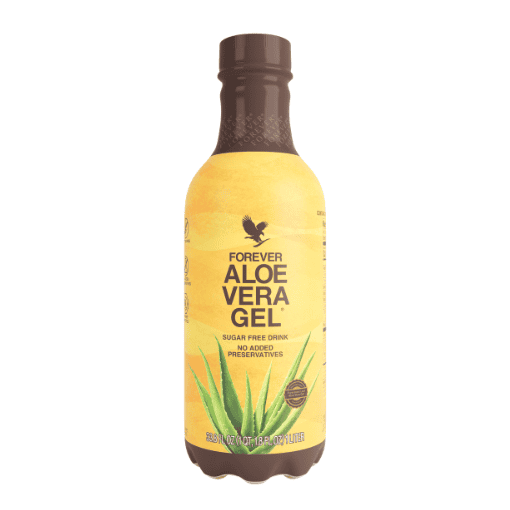 Aloe Vera Gel
A daily aloe drink for people who want simple support for digestion and routine.
It makes sense if you are looking at the topic through digestion and a simpler daily routine.Atopic dermatitis in children: natural cosmetics and dietary measures
Atopic dermatitis in children is one of the most common reasons for visiting a pediatrician or dermatologist, and it can cause numerous challenges in everyday skin care. Sound familiar? You may have found yourself in a situation where you are wondering how to relieve the redness, itching and unpleasant eczema that appears at an early age. Fortunately, there are proven natural approaches that greatly help in controlling these symptoms, and these are: properly selected cosmetics based on aloe vera and gentle herbal ingredients, as well as a carefully planned diet. But that's not all... Keep reading and discover which products and dietary measures can make your child's daily struggle with atopic dermatitis easier.
What is atopic dermatitis and why does it occur?
Atopic dermatitis (often called atopic eczema) is a chronic inflammatory skin disease that most commonly occurs in children, but also in adults. According toresearch, it has a strong genetic component, but external factors such as environmental allergens, stress, and exposure to chemicals can also exacerbate symptoms. Typical skin changes include:
- Redness: especially on the cheeks, elbows, and knees.
- Itching: sometimes extremely intense, making it difficult for the child to sleep and perform daily activities.
- Dryness and flaking of the skin: the skin is extremely sensitive and easily cracked.
The good news is that with proper care and nutrition, you can gain greater control over this condition. But you may be wondering why there is so much talk about natural approaches? Here's the thing: children's skin is especially sensitive, and harsh chemical ingredients can further damage its protective barrier.
This is precisely why many parents choose natural solutions foreczema and atopic dermatitis, which are less invasive and proven effective in calming redness and healing irritated areas.
Natural cosmetics: what is important when choosing?
When it comes to caring for skin prone to atopic dermatitis, the key is to restore the protective barrier and retain moisture in the skin. Natural cosmetics based on gentle ingredients, such as aloe vera, bee propolis and soothing oils, are often the best choice for children struggling with inflammatory skin changes. You may be wondering how aloe vera helps? This plant is rich in enzymes, vitamins and minerals that have a soothing and regenerating effect.
Aloe Vera Gelly as a support for damaged skin
A good example isAloe Vera Gelly. This product, which is high in aloe vera, forms a thin protective layer on the skin, while also allowing air to pass through and accelerating the regeneration of damaged tissue. In addition to atopic dermatitis, many parents also use it for minor scrapes, insect bites, or other skin irritations. According toscientific studies, aloe vera has anti-inflammatory properties that can relieve itching and redness.
Aloe Propolis Cream for long-term hydration
The second step in natural care is long-lasting hydration. When children's skin is prone to flaking and dryness, it is recommended to use a richer cream likeAloe Propolis Creme. The combination of bee propolis and aloe vera creates a protective film on the skin's surface, while also softening dry areas and reducing the possibility of new irritations.
If your child suffers from very dry or sensitive skin that flakes, it is recommended to apply this cream immediately after bathing. Warm water opens the pores, allowing products to penetrate the skin more quickly. However, be careful not to let the water get too hot, as this can further dry out the skin.
Mild soaps and shampoos
While they are intended for hygiene, regular soaps can sometimes strip the skin of its natural oils, making it even more sensitive. That is why it is recommended to use products likeAloe Liquid Soap with a mild effect. This liquid soap may be suitable for bathing or showering children with atopic dermatitis because it does not contain aggressive surfactants that irritate the skin, but uses a soothing aloe vera base.
The same goes for scalp care. If the changes and flaking extend to the scalp, it is recommended to choose a shampoo with gentle ingredients that do not dry out the skin further. Some parents report positive effects of products such asAloe Jojoba Shampoo, and after washing, useAloe Jojoba Conditioner for additional hydration of the scalp and hair.
Nutritional measures: why are they crucial?
You may be wondering what diet has to do with atopic dermatitis? Quite a lot! Food can act as a trigger for inflammatory processes in the body or as a natural ally in boosting immunity and soothing the skin. Sounds too good to be true? Keep reading...
Allergen avoidance and anti-inflammatory foods
Children with atopic dermatitis often have some kind of intolerance or allergy to certain foods. The most common allergens are cow's milk, eggs, gluten, soy and nuts. However, it is not recommended to randomly eliminate all these foods from the diet — first of all, consult a pediatrician or nutritionist. They can perform tests and identify specific allergens. Only then is an elimination diet planned.
On the other hand, anti-inflammatory foods rich in omega-3 fatty acids, vitamins and antioxidants can help maintain healthy skin. Examples of such foods include fatty fish (salmon, sardines), flaxseeds, nuts and fruits such as berries. For children who do not like fish, parents often choose supplements such asForever Arctic Sea Omega because it contains omega-3 in a balanced ratio and is easy to dose.
Strengthening immunity and taking care of intestinal flora
Interestingly, gut flora plays a major role in immunity and reactions to allergens. According to somestudies, probiotics can help reduce symptoms of atopic dermatitis in children, especially if taken in a timely manner. Probiotic yogurt, kefir, orForever Active Pro B can improve the balance of gut bacteria and thus reduce inflammatory reactions on the skin.
Additionally, children who frequently suffer from skin irritation and itching may also have a weakened immune system, especially if multiple allergies are present at once. For additional support of the defense mechanisms, some parents choose products likeForever Immublend, which combines several vitamins and minerals useful for proper immune function. If you want to see a wider range and learn more about similar products, be sure to readForever Living Products Products.
Hydration and sufficient fluid intake
Don't forget about hydration, which is important for every child, especially those with sensitive skin. Drinking plenty of water or light teas (such as chamomile) can help keep the skin moist. Children often drink less than they need, so it's a good idea to encourage them to take regular, smaller sips throughout the day.
Strategies for relieving symptoms in children
If you've been monitoring your child's skin for a while, you know how challenging it can be to keep it in a stable state. There are also psychological aspects to consider – children can feel frustrated, sad or anxious due to constant itching and skin sensitivity. Here are a few practical steps that can be part of your daily routine:
1. Regular and short baths
Although children may want to splash around in the tub for a long time, it is recommended to limit bathing to short intervals (5-10 minutes) and use lukewarm water. Long baths, especially in hot water, remove natural oils from the skin and can worsen dryness. After bathing, gently pat dry with a towel to remove excess water – do not rub aggressively.
2. Quickly apply moisturizer
While your skin is still damp, apply a cream likeAloe Vera Gelly orAloe Propolis Creme. This will “lock in” moisture and prevent further drying. This step is crucial; if you wait too long, your skin will already be dry and the moisture will evaporate.
3. Clothing made from natural materials
Cotton or linen fabrics are friends of children with sensitive skin. Synthetics and woolen materials are more likely to cause itching and irritation. If possible, choose loose-fitting clothes that won't chafe sensitive areas. Also, consider the quality of your laundry detergent – we recommend using one that is free of artificial fragrances and dyes.
4. Warm, but not overheated air
Overheated rooms and dry air can worsen the symptoms of atopic dermatitis. Try to maintain a moderate temperature and humidity. Sometimes it is enough to place a bowl of water on a radiator or use a humidifier, which can help your child's skin not lose too much moisture during the night.
5. Preventing scratching
The biggest challenge with atopic dermatitis is often the “vicious cycle” of itching: the child starts scratching, the skin cracks and becomes inflamed, which causes even more itching. Try wearing cotton gloves or long-sleeved clothing at night to reduce damage from unintentional scratching in sleep. Also, keeping fingernails short and using soothing creams regularly can help control itching.
Supplements for a better routine and faster recovery
In addition to topical care, consider a holistic approach that includes supplements or products to strengthen the skin barrier. If your child has frequent chapped skin, consider rich lotions and “wraps” that lock in moisture. For example,Aloe Moisturising Lotion has been found to be helpful as a daily moisturizing base for many.
If the problem of atopic dermatitis is related to other skin challenges, such as acne in older children or teenagers, you can look for natural care tips in the articleHow to Get Rid of Pimples. Although these are different types of skin problems, some principles - such as avoiding aggressive products - remain the same.
Holistic approach: mind, body and family
Atopic dermatitis can be physically and mentally taxing for the child, but also for the entire family. Children with sleepless nights due to itching sometimes have trouble concentrating at school, and parents feel exhausted. Therefore, it is important to understand that natural cosmetics and nutrition are not the only links in the chain. For a comprehensive improvement in quality of life, also consider:
- Regular follow-up with a pediatrician or dermatologist: Professional advice is important in monitoring the development of children's skin and timely adjustment of therapy.
- Emotional support: Talk to your child about their feelings. You can also include psychological support if you notice fear, stress, or shyness about the skin condition.
- Relaxation and play: Although it may sound simple, reducing stress often has a positive effect on the skin. Playing, walking, and socializing with peers help maintain a positive mood.
You may also find that certain modern tools can make your “parenting job” even easier. For personalized advice on nutrition, supplements, and care routines, you canuse an AI advisor. It sounds futuristic, but this form of digital advice can cut down on the time you would otherwise spend researching.
Frequently asked questions
What is the ideal age to introduce natural cosmetics?
Natural cosmetics can be introduced from a very young age, but always pay attention to the label and check if the product is suitable for children's skin. In the case of extremely sensitive or inflamed skin, consult a pediatrician before using new products.
How to recognize that diet affects atopic dermatitis?
If the symptoms worsen shortly after consuming a certain food (eg milk, eggs or peanuts), it is possible that there is an intolerance or allergy. An elimination diet and testing by an allergist are the best ways to accurately identify allergens.
Can a child “outgrow” atopic dermatitis?
Yes, many children develop better resilience over time, and symptoms may decrease significantly by the teenage years. However, there is no guarantee, and symptom control and regular care remain key to avoiding complications as successfully as possible.
Should special vitamins and minerals be introduced to the child?
If you suspect that your diet is not varied enough, you may want to consider taking supplements. However, any additional product — whether it'sForever Immublend or a similar preparation — is best introduced with professional advice to avoid unnecessary overdose or interactions.
Conclusion
Atopic dermatitis in children, although challenging, does not have to be a constant battle of tears and sleepless nights. With carefully selected natural cosmetics, such asAloe Propolis Creme andAloe Vera Gelly, and with appropriate nutritional measures, you can significantly improve your child's quality of life. Don't forget the importance of proper hydration, moderate air temperature in the household and enough sleep — all of these items contribute to easier symptom management.
Products most closely related to this topic
If you want to compare concrete options after reading, these products are the closest match to the article topic.
Aloe Vera GellyA practical outer-care product when the goal is skin comfort and a simpler care routine.
Closest to a care routine for skin, hair or everyday personal care.Aloe Propolis CreamNatural daily support when you want a bee-derived or botanical product for energy and resilience.
Closest to a care routine for skin, hair or everyday personal care.Aloe Vera GelA daily aloe drink for people who want simple support for digestion and routine.
It makes sense if you are looking at the topic through digestion and a simpler daily routine.Short answers that help
If you are still comparing options, these are the points worth checking before you continue.
What is useful to take from this article?
Use it to understand the topic more clearly and decide whether it connects with your current routine, habits or product comparison.
When should I ask for a recommendation?
Ask when you recognize the topic but are not sure which Forever product or next step fits your situation.
Does this replace professional advice?
Atopic dermatitis in children: natural cosmetics and nutrition for sensitive skin is educational content. For medical conditions, medication, pregnancy or persistent symptoms, include qualified professional advice.
Describe what you want to achieve
If you do not know which product to choose, write your goal, habits or doubts and get a more concrete suggestion.
Recommended products

Related articles to keep exploring