The key points from this article
- Autoimmune skin diseases like psoriasis and vitiligo can profoundly affect quality of life, especially when symptoms such as redness, scaling, pigmentation changes, or...
- You may be wondering why the body attacks its own skin cells and how it even starts?
- For personal questions, continue with a recommendation so the next step fits your situation.
Products most closely related to this topic
If you want to compare concrete options after reading, these products are the closest match to the article topic.
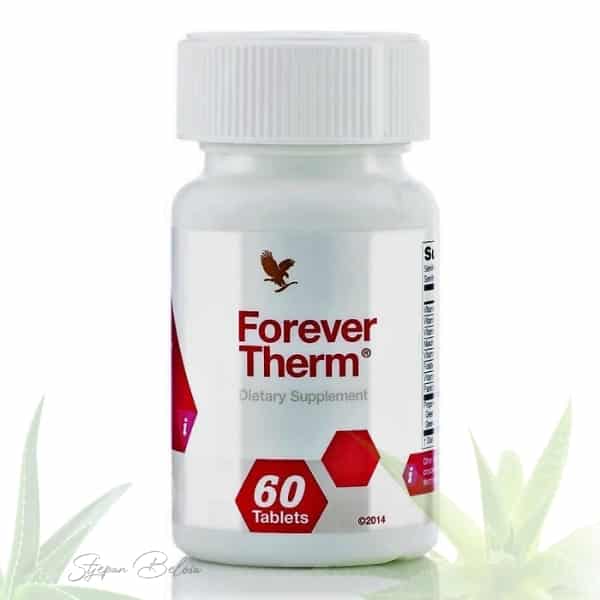 Forever Therm
Worth considering when you want energy support inside a weight-management routine.
It fits topics such as appetite, portions, energy or a weight-management routine.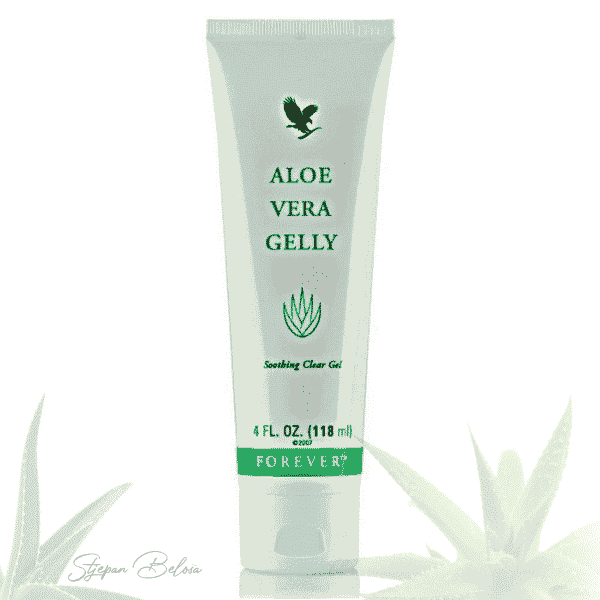 Aloe Vera Gelly
A practical outer-care product when the goal is skin comfort and a simpler care routine.
Closest to a care routine for skin, hair or everyday personal care.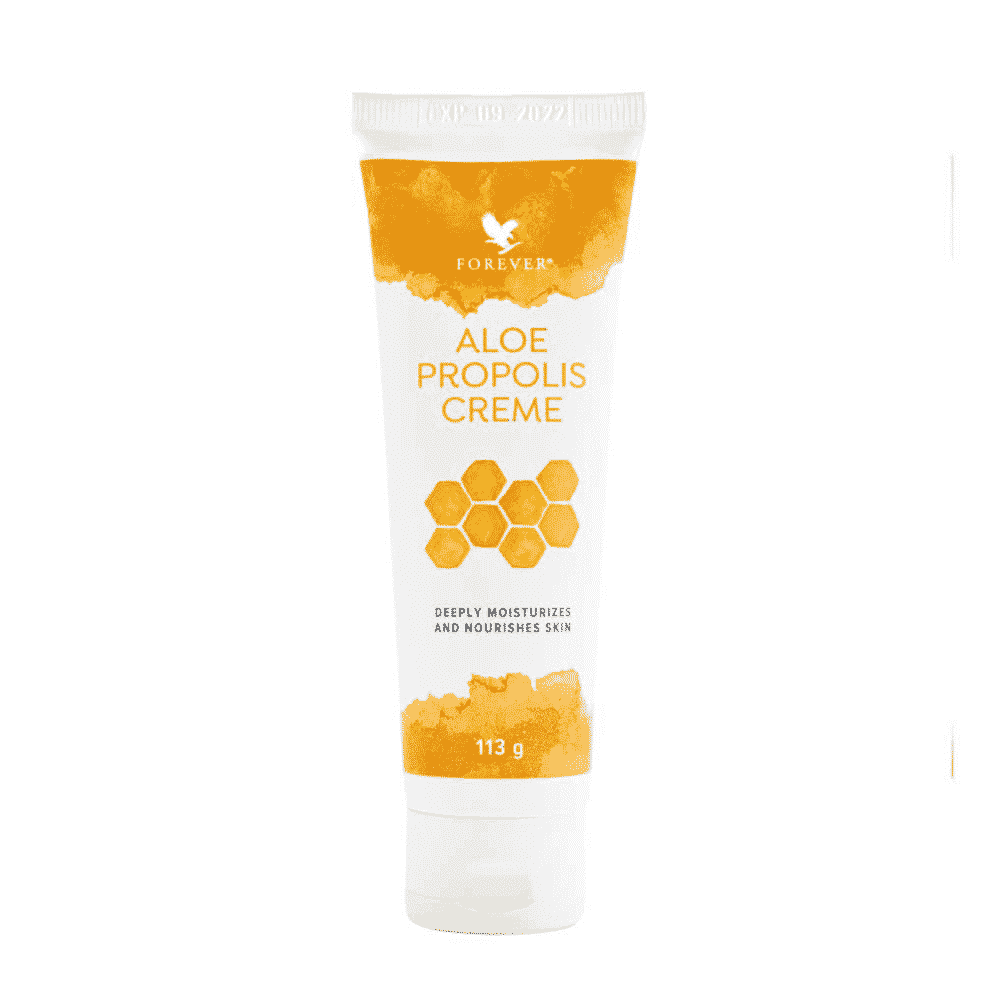 Aloe Propolis Cream
Natural daily support when you want a bee-derived or botanical product for energy and resilience.
Closest to a care routine for skin, hair or everyday personal care.Autoimmune skin diseases (psoriasis, vitiligo): natural care options
Autoimmune skin diseases like psoriasis and vitiligo can profoundly affect quality of life, especially when symptoms such as redness, scaling, pigmentation changes, or itching become severe.
You may be wondering why the body attacks its own skin cells and how it even starts? The very nature of these conditions is complex: our immune system, which is supposed to protect us, sometimes becomes overactive and recognizes our own tissue as “foreign.” When such an imbalance occurs, our skin and overall health can suffer.
But that's not all... There are many natural approaches that can help alleviate these symptoms and improve everyday life, from proper aloe vera skin care to targeted changes in diet and lifestyle.
Below, learn more about how to cope with psoriasis and vitiligo and what specific steps you can take to support your own skin and immunity.
Understanding psoriasis and vitiligo
Psoriasis is most often manifested by thickened, red areas of skin covered with silvery scales. It can appear on the elbows, knees, scalp, or even nails. Many describe it as an inflammatory disease in which skin cells grow much faster than they should. Meanwhile,vitiligo manifests itself as depigmented (white) patches on various parts of the body, including the face, arms, and neck. While psoriasis often involves an uncomfortable itching or burning sensation, vitiligo does not have any accompanying pain, but it can significantly affect self-confidence and emotional health.
Both diseases have an autoimmune component – the immune system attacks skin cells (in the case of psoriasis, keratinocytes, and in the case of vitiligo, melanocytes). According toresearch, genetics and environmental factors, such as stress or infections, can trigger or worsen symptoms. Fortunately, there are natural methods that can provide relief and help balance the immune response, and this is exactly what we will discuss in more detail.
Gentle skin care: why is it crucial to choose natural products?
Skin affected by autoimmune disorders is often extremely sensitive. Harsh products, chemicals, and perfumes can further irritate the skin and worsen symptoms. Here's the thing: the goal is to create a protective barrier and ensure optimal moisture levels, and this is best achieved by choosing natural ingredients.Aloe vera is one of the most popular plants used in the care of sensitive and problematic skin, precisely because it contains a wealth of enzymes, vitamins, and minerals.
Aloe Vera Gelly for calming and hydration
When it comes to topical application,Aloe Vera Gelly can be helpful for people with psoriasis or vitiligo. Unlike conventional creams with a lot of artificial additives, this high-purity gel absorbs quickly, creates a protective layer and provides a cooling and soothing sensation. These properties are beneficial for itching and scaling, typical of psoriatic lesions, and can also help maintain a healthy skin surface in areas affected by vitiligo.
You may be wondering how aloe vera helps with autoimmune inflammation? According to somescientific studies, aloe vera has anti-inflammatory effects, can help regenerate the skin, and supports its natural ability to heal. Thanks to these properties, many call it the “plant of immortality,” which you can learn more about in the textAloe Vera Through History.
Aloe Propolis Cream for deep care
Given that psoriasis and vitiligo are conditions that can involve dryness and cracking of the skin, additional hydration is crucial.Aloe Propolis Creme combines the soothing properties of aloe vera with bee propolis, creating a rich cream suitable for day and night care. Propolis is known for its antimicrobial and restorative properties, which can reduce the risk of secondary infections on damaged skin.
Furthermore, this cream spreads easily and is well tolerated even on sensitive areas. If psoriatic or depigmented changes are very pronounced, it is useful to apply the cream immediately after showering, when the pores are more open and the skin is moist. This way, the active ingredients are better absorbed and remain on the skin surface for longer.
Internal support: nutrition and supplements for immune balance
While skin care is key, we can’t ignore the fact that autoimmune skin conditions can be alleviated from the inside out. It may sound too good to be true, but research is increasingly pointing to a connection between gut health, diet, and immune responses. This is where healthy habits like eating a balanced diet, supplementing, and thinking about your microbiome come into play.
Herbal drinks and juices
First and foremost, drinking enough fluids helps your body flush out toxins and keeps your skin hydrated. If you want a special dose of vitamins and enzymes, considerForever Aloe Vera Gel. This drink, made from pure aloe vera gel, can provide an extra immune boost thanks to its natural anti-inflammatory and antioxidant properties. It is also rich in polysaccharides that help maintain a healthy digestive system. Many people also find it useful for boosting the detox effectof Aloe Vera Juice, which can indirectly help your skin.
Why take vitamin and mineral supplements?
People with autoimmune diseases often have deficiencies in certain micronutrients, such as vitamins B12 and D, zinc, selenium, or omega-3 fatty acids. For example,Forever B12 Plus may be a good choice for those who doubt whether they are getting enough vitamin B12 through their diet. This vitamin is essential for cell health and normal nervous system function, which can be crucial when it comes to a better immune response.
Similarly,Forever Immublend can offer a broader range of immune support thanks to its combination of vitamins, minerals, and herbal extracts. While such products do not directly treat psoriasis or vitiligo, they can create a stronger foundation for a more resilient and balanced body response to stressful stimuli and autoimmune processes.
The psychological aspect: how stress and mental health affect the skin
You may be wondering what stress has to do with autoimmune skin diseases? Here's the thing: stress stimulates the production of cortisol and inflammatory mediators, which can further "stir up" an already activated immune system. In the case of psoriasis and vitiligo, many people notice that their symptoms worsen when they are under intense mental stress.
That's why the approach to these diseases should be holistic. In addition to proper skin care and a thoughtful diet, it's also useful to work on reducing stress. You can try meditation techniques, deep breathing, or, for example, find inspiring guidelines in the articleThe Power of Positive Belief. Sometimes simple changes like walking in nature, keeping a gratitude journal, or talking to a therapist are just what you need to calm internal tension, which can also contribute to stabilizing skin symptoms.
Practical tips for skin care with psoriasis and vitiligo
Although everything seems out of our control when it comes to autoimmune reactions, there are many things we can control. Here are some specific suggestions that can help you overcome everyday challenges:
1. Shower or bath in lukewarm water
Hot water can further dry out the skin and increase inflammation. It is recommended to take short showers or baths in lukewarm water with mild, natural soaps. For example, harsh detergents remove the skin's natural oils, which can trigger scaling in psoriasis or increase the sensitivity of areas of skin with vitiligo.
2. Quickly apply a moisturizing product
After showering, your skin is still damp and your pores are partially open. Take advantage of this time to apply an aloe vera-based cream or gel, likeAloe Vera Gelly. This step helps to “lock” moisture into your skin and provide long-lasting protection.
3. Light exfoliation
Psoriasis often causes an excess build-up of dead skin cells, which form scales. Be very gentle and careful when doing this; rough rubbing can further irritate the skin. Occasionally, you can try a gentlefacial scrub or a gentle body scrub to remove dead skin cells, but be careful not to damage sensitive areas.
4. Reducing sun exposure, but with a dose of common sense
Moderate sun exposure (especially in the morning and evening) can have a beneficial effect on some forms of psoriasis, while in the case of vitiligo, too much sun exposure can further accentuate the differences between lighter and darker areas of the skin. Always use protective creams, and if you expose your skin to direct sunlight, choose creams without aggressive chemicals and with natural filters. Make sure that the protection factor is suitable for sensitive skin.
5. Partner with the environment
If itching and redness make you want to scratch, and you know that scratching makes your symptoms worse, talking to family and friends about your triggers may help. Don’t underestimate the power of social support or keeping a personal journal to track your eating patterns, moods, and skin changes. And if you’re looking for more ideas, you cantap into the AI advisor to get personalized recommendations based on your lifestyle.
Frequently Asked Questions (FAQ)
Can diet really affect autoimmune skin diseases?
According to some research, foods rich in omega-3 fatty acids, antioxidants, and vitamins can calm inflammatory processes in the body. While diet is not a miracle cure, many psoriasis and vitiligo sufferers have noticed an improvement in their symptoms when they eliminated highly processed foods from their diets, reduced their sugar intake, and included more fruits, vegetables, and healthy fats.
Is it safe to use aloe vera on damaged skin?
Generally speaking, aloe vera is considered safe and mild. However, it is always a good idea to do a small patch test to make sure there is no individual sensitivity. Products likeAloe Vera Gelly are often formulated to be suitable even for very sensitive skin.
What to do if the skin changes worsen?
If you experience sudden worsening, increasing redness, pain, or any changes that concern you, be sure to contact your doctor or dermatologist. Autoimmune skin diseases sometimes require a combination of natural methods, topical therapy, and medical supervision.
Can psoriasis or vitiligo disappear completely?
This varies from person to person. Psoriasis is a chronic condition and often goes through “quiet” periods and “flare-up” phases of symptoms. Vitiligo can also progress slowly or rapidly, and in some people, depigmented areas partially or even completely repigment. However, regular care and following expert recommendations are necessary for lasting improvement.
Autoimmune skin diseases - Conclusion!
Psoriasis and vitiligo are examples of complex autoimmune skin diseases that can greatly affect self-confidence and quality of life. However, a combination of natural aloe vera-based cosmetics, a balanced diet, and reducing stress levels can provide significant relief.
Products likeAloe Vera Gelly orAloe Propolis Creme contribute to deep skin care and protection, while supplements likeForever B12 Plus andForever Immublend can help strengthen the immune system.
Don't forget about the necessity of mental balance - find ways to control stress, even if it means just 10 minutes of conscious breathing a day.
And remember: while there is no universal “recipe” for a cure, proper care, thoughtful nutrition, and emotional support can help you live a fulfilling and enjoyable life, despite the challenges that autoimmune skin disease brings.
Products most closely related to this topic
If you want to compare concrete options after reading, these products are the closest match to the article topic.
Forever ThermWorth considering when you want energy support inside a weight-management routine.
It fits topics such as appetite, portions, energy or a weight-management routine.Aloe Vera GellyA practical outer-care product when the goal is skin comfort and a simpler care routine.
Closest to a care routine for skin, hair or everyday personal care.Aloe Propolis CreamNatural daily support when you want a bee-derived or botanical product for energy and resilience.
Closest to a care routine for skin, hair or everyday personal care.Short answers that help
If you are still comparing options, these are the points worth checking before you continue.
What is useful to take from this article?
Use it to understand the topic more clearly and decide whether it connects with your current routine, habits or product comparison.
When should I ask for a recommendation?
Ask when you recognize the topic but are not sure which Forever product or next step fits your situation.
Does this replace professional advice?
Autoimmune skin diseases (psoriasis, vitiligo) – natural care and lifestyle habits is educational content. For medical conditions, medication, pregnancy or persistent symptoms, include qualified professional advice.
Describe what you want to achieve
If you do not know which product to choose, write your goal, habits or doubts and get a more concrete suggestion.
Recommended products
Related articles to keep exploring