The key points from this article
- The mere mention of it can trigger a range of reactions – from confusion and fear to questions about what exactly it means for your health and quality of life.
- Many women are surprised to learn that menopause can happen before the age of 45, as most expect the changes to occur in their late 40s or early 50s.
- For personal questions, continue with a recommendation so the next step fits your situation.
Products most closely related to this topic
If you want to compare concrete options after reading, these products are the closest match to the article topic.
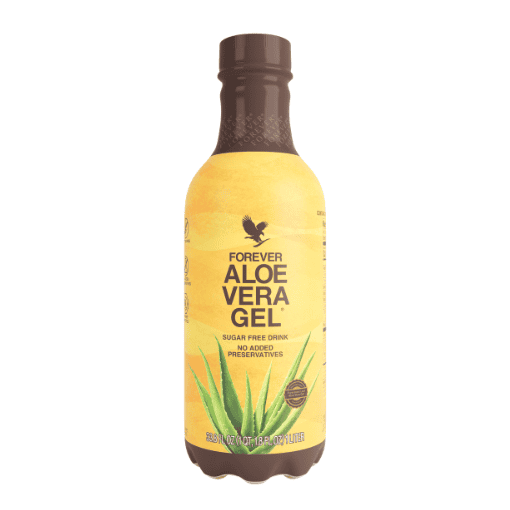 Aloe Vera Gel
A daily aloe drink for people who want simple support for digestion and routine.
It makes sense if you are looking at the topic through digestion and a simpler daily routine. Forever Multi Maca
A supplement for energy, heart and circulation routines when you want longer-term daily support.
Useful to compare when you are looking for energy, focus or vitality support.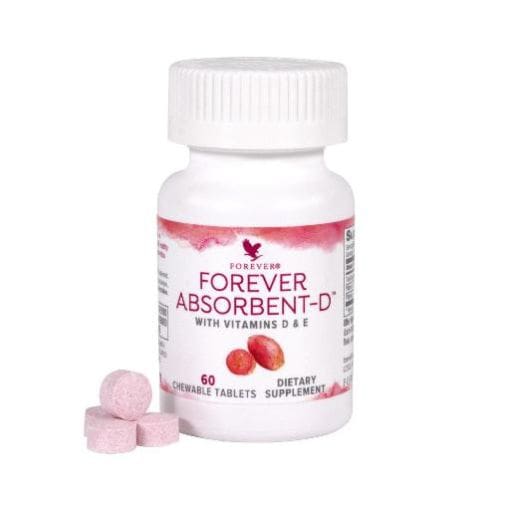 Forever Absorbent D
A simple fiber add-on when you want digestion and satiety support during the day.
It fits topics such as appetite, portions, energy or a weight-management routine.Early menopause (before 45): options for slowing down symptoms
Early menopause. The mere mention of it can trigger a range of reactions – from confusion and fear to questions about what exactly it means for your health and quality of life. Many women are surprised to learn that menopause can happen before the age of 45, as most expect the changes to occur in their late 40s or early 50s. You may be in a similar situation – noticing symptoms you didn’t have before, or you’ve heard advice that it’s “all in your head”. But the truth is that early menopause is not uncommon and can happen for a variety of reasons. In this article, we’ll explore why early menopause occurs, what the most common symptoms are, and what you can do to help alleviate them or slow their progression. While every body is unique, there are natural steps, support likeAloe Vera Gel, lifestyle changes, and other tips that can make a big difference.
What is early menopause and how to recognize it?
Early menopause refers to the onset of menopause in women under the age of 45. In some cases, it can occur even before the age of 40, in which case it is also called premature menopause. This condition results from a drop in estrogen levels, the main female sex hormone that affects many processes in the body. The most important parameter is the absence of menstruation for more than 12 months, which signals that the ovaries are no longer releasing eggs. The reasons can be genetic, autoimmune or related to certain diseases and therapies (e.g. chemotherapy).
How to know if it is early menopause? You may wonder why you suddenly have hot flashes, mood swings, insomnia, and hot flashes, even though you're only in your early 40s. The answer lies in the hormonal imbalance that occurs when the levels of estrogen and progesterone are disturbed before the expected time. They often appear:
- Irregular menstrual cycles (shorter, longer or heavier)
- Sudden waves of heat (hot flashes)
- Insomnia or sleep disorders
- Irritability, anxiety, or depressed mood
- Vaginal dryness and decreased libido
- Fatigue and lack of energy
If you notice any of these symptoms, talk to your doctor first. However, the good news is that there are ways you can alleviate the unpleasant symptoms and make changes to your daily life that will bring you relief.
Why does early menopause occur?
The key question is: “Why me at this age?” The reasons are sometimes unclear, but there are certain risk factors. Heredity often plays a significant role – if your mother went through menopause early, you are more likely to do the same. Autoimmune diseases such as thyroid disease or rheumatoid arthritis are also associated with earlier menopause. In addition, medical procedures such as removal of the ovaries or certain therapies (e.g. treatment of cancer) can accelerate the cessation of ovulation.
Here's the thing: As soon as your hormone levels start to drop, your entire body goes through a series of changes. This affects not only your reproductive function, but also your bone density, mood, energy levels, and even the appearance of your skin and hair. Does it sound too good to be true that there's a universal solution? Read on, because while there's no "magic pill," there are practical steps and allies that can help you along the way.
Symptoms that may surprise you
One of the most noticeable symptoms is hot flashes – sudden hot flashes accompanied by sweating and a racing heart. Many women find them one of the most uncomfortable aspects of menopause. But not all symptoms are so obvious. For example, unexplained mood swings, constant fatigue or forgetfulness can be just as distressing, and are often attributed to stress at work or other life circumstances.
Also,bone density can be a problem with early menopause, as estrogen plays a protective role in preventing bone loss. Reduced estrogen means faster bone thinning and an increased risk of osteoporosis in later life.Sexual health can also be affected – reduced vaginal moisture causes pain during intercourse and decreased libido. According toan article on Healthline, early menopause can also lead to cognitive changes, such as difficulty concentrating and remembering.
How to slow down or alleviate symptoms?
But that's not all. Many women wonder if there's anything they can do to help themselves, without aggressive hormone therapies. Fortunately, there are a number of strategies:
- Hormone replacement therapy (HRT): It is beneficial for many women, but it should be carefully tailored to the individual's health condition and previous medical history.
- Balanced diet: Getting enough protein, healthy fats and micronutrients is essential for maintaining bone health and normal metabolism.
- Physical activity: Regular exercise can help maintain weight, prevent osteoporosis, and improve mood.
- Quality sleep: Try to maintain a sleep routine, use relaxation techniques, and avoid caffeine in the late hours.
- Herbal Support: Some herbs, such as red clover and hemp seed, have been traditionally used to balance female hormones.
Natural methods such as meditation, yoga, breathing exercises and a balanced diet often provide relief. According toresearch from 2019 , women who regularly practice relaxation techniques experience less frequent and weaker hot flashes and a generally better quality of life. So there are ways to alleviate and control symptoms, even if menopause has arrived "too soon".
The power of aloe vera in slowing symptoms
Aloe vera is a plant known for its anti-inflammatory, moisturizing and regenerative properties. But did you know that aloe vera can also help with early menopause? The first step is to understand that a drop in estrogen also brings increased levels of inflammation in the body, and this is whereAloe Vera Gel can help. Many women have experienced the benefits of this drink or dietary supplement – from improving digestion and nutrient absorption to supporting hair, skin and overall hormonal balance.
Specifically, aloe vera contains a wide range of nutrients: vitamins A, C, E, B12, folic acid and choline, as well as minerals such as calcium, magnesium and zinc. These micronutrients are important for bone health, but also for the normal functioning of the nervous system. Also,how to improve hormonal balance naturally includes reducing inflammatory processes in the body, and aloe vera can play a role in this. Reduced inflammation means less pain in joints and muscles, and potentially fewer hot flashes.
But of course, aloe vera is not a substitute for a quality diet and medical advice. It is a supplement that helps with a holistic approach, and it is precisely a holistic approach that often brings the best results.
Practical lifestyle tips
Early menopause can seem like a big challenge, but implementing healthy habits often brings quick results. The following tips aren't just for "women's issues" – they apply to anyone who wants to feel better and maintain as much hormone balance as possible:
- Regular exercise: Combine cardio (walking, running, cycling) and strength training (weight lifting, Pilates) to maintain muscle mass and bone density.
- Increase your calcium and vitamin D intake: These nutrients help maintain bone health. Find them in leafy greens, dairy products, and, if necessary, supplements.
- Limit caffeine and alcohol: Excessive consumption of these substances can intensify hot flashes and disrupt sleep.
- Stress reduction techniques: Meditation, deep breathing, walks in nature, or simply enjoying your favorite hobbies.
- Aloe vera as daily support: Many women consume Forever Royal Jelly and Aloe Vera Gel together daily, as they naturally help maintain energy and the immune system, and provide antioxidant protection.
It would be advisable to include regular medical check-ups, especially if you are planning on hormone replacement therapy. Early menopause carries certain risks, but it also provides an opportunity to establish healthy habits that can benefit you long after you have gone through menopause.
A reader's story:"Life after early menopause"
Sometimes it's easiest to understand what changes look like through the stories of others. One reader, Sanja (42), described her struggle with early menopause symptoms. After months of insomnia, frequent hot flashes, and emotional "ebbs and flows," she decided to actively seek solutions. She introduced regular yoga, reduced stress at work, and started taking natural supplements, including Forever Multi Maca.
The result? Improved sleep and a drastic reduction in hot flashes. "I couldn't believe the difference just one change in my daily routine made. Even my skin looked better," she said. While experiences vary from person to person, examples like these can serve as motivation and confirmation that it's worth the effort to find natural and holistic solutions.
When to seek additional help?
Early menopause is not something you should go through alone, especially if you are experiencing intense symptoms or are concerned about your future health. Talking to a gynecologist or endocrinologist can help you get a clear diagnosis and possibly adjust your hormone replacement therapy. Also, don't hesitate to seek psychological support, especially if you are experiencing increased stress, anxiety, or depression.
You might be wondering what options there are for personalized advice? To further explore personalized recommendations, you can take advantage of ourAI advisor. It can provide you with quick ideas and guidance that you can customize to your habits and lifestyle.
Scientific references worth highlighting
Several relevant studies indicate that early menopause can increase the risk of cardiovascular disease and osteoporosis, especially if you do not pay attention to diet and lifestyle. According toWebMD, early menopause occurs in approximately 1% of women, and often goes unrecognized until symptoms become more severe.
The good news is that strategies such as targeted supplementation, regular physical activity and, if necessary, hormone therapy can significantly reduce the negative consequences. Also,research published in PubMed showed that additional consumption of vitamin D and calcium reduces the risk of osteoporosis in women who enter menopause early. In this context, supporting the liver and digestive system with aloe vera can be very useful in synergy with minerals and vitamins.
A holistic approach for long-term success
It is clear that early menopause is not just a matter of the cessation of menstruation; it brings with it a series of changes that require a holistic approach. In addition to medical care, do not forget about your own role in improving your daily life. A quality diet, hydration, supplements likeAloe Vera Gel, and moderate exercise can significantly affect your ability to feel energetic and positive.
Frequently asked questions
1. Can the symptoms of early menopause be completely stopped?
Unfortunately, there is no way to completely “stop” menopause because it is a natural process. However, many women are able to effectively slow its progression and alleviate symptoms through a combination of a healthy diet, regular exercise, herbal supplements, and, if necessary, hormone therapy.
2. Is aloe vera safe for daily consumption?
Aloe vera is generally safe, but it is always recommended to consult a doctor, especially if you are taking medication or have certain health conditions. Quality aloe vera products, like those you can find atAloe Vera Center, are usually carefully tested and prepared to retain the most nutrients.
3. How to deal with mood swings that accompany early menopause?
Mood swings are common with hormonal imbalances. Talking to a therapist or psychologist, regular exercise, and activities that promote mental health (such as meditation, yoga, hobbies) can help. A balanced diet and nutritional supplements can also stabilize hormones and improve mood.
4. Is there a recommended age for starting hormone replacement therapy?
There is no universal answer as it depends on the individual medical situation. In general, if menopause occurs before 45, doctors may advise hormone replacement therapy to reduce the risk of cardiovascular disease and osteoporosis. It is best to consult with a gynecologist or endocrinologist.
Conclusion
Products most closely related to this topic
If you want to compare concrete options after reading, these products are the closest match to the article topic.
Aloe Vera GelA daily aloe drink for people who want simple support for digestion and routine.
It makes sense if you are looking at the topic through digestion and a simpler daily routine.Forever Multi MacaA supplement for energy, heart and circulation routines when you want longer-term daily support.
Useful to compare when you are looking for energy, focus or vitality support.Forever Absorbent DA simple fiber add-on when you want digestion and satiety support during the day.
It fits topics such as appetite, portions, energy or a weight-management routine.Short answers that help
If you are still comparing options, these are the points worth checking before you continue.
What is useful to take from this article?
Use it to understand the topic more clearly and decide whether it connects with your current routine, habits or product comparison.
When should I ask for a recommendation?
Ask when you recognize the topic but are not sure which Forever product or next step fits your situation.
Does this replace professional advice?
Early menopause before 45: How to slow down symptoms and maintain health is educational content. For medical conditions, medication, pregnancy or persistent symptoms, include qualified professional advice.
Describe what you want to achieve
If you do not know which product to choose, write your goal, habits or doubts and get a more concrete suggestion.
Recommended products
Related articles to keep exploring