The key points from this article
- Emotional Intelligence (EI) has become one of the most sought-after skills in the modern world—master it properly, and you'll unlock better communication, stress resil...
- While you might think it's innate, the good news is that EI can be trained just like a muscle.
- For personal questions, continue with a recommendation so the next step fits your situation.
Products most closely related to this topic
If you want to compare concrete options after reading, these products are the closest match to the article topic.
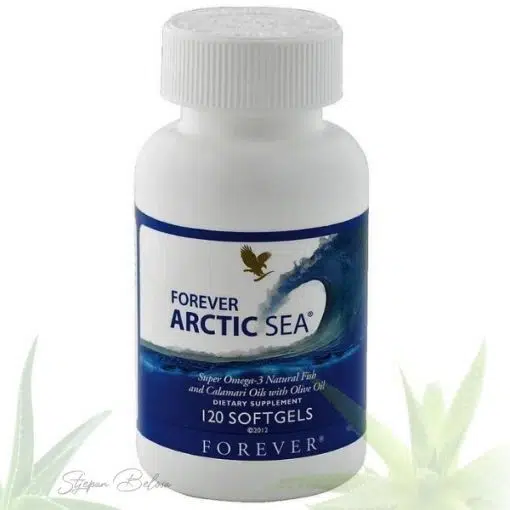 Arctic Sea Omega
A supplement for energy, heart and circulation routines when you want longer-term daily support.
Useful to compare when you are looking for energy, focus or vitality support.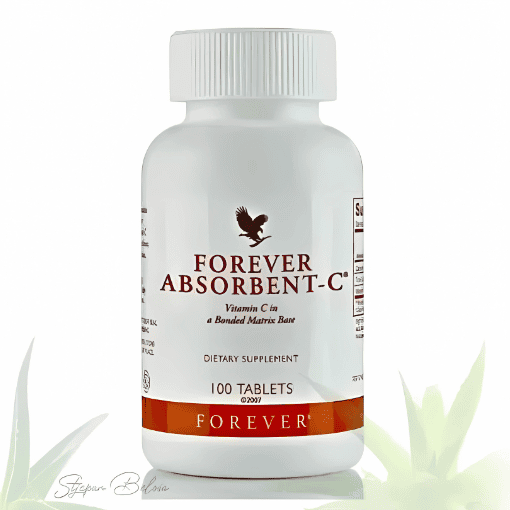 Absorbent C
Daily vitamin support when you want a steadier immunity, energy or nutrition routine.
Connected with daily support for immunity, energy or baseline nutrition.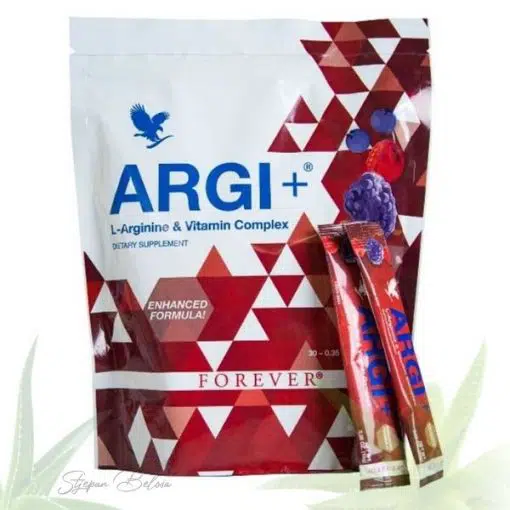 Forever Argi+
A supplement for energy, heart and circulation routines when you want longer-term daily support.
Useful to compare when you are looking for energy, focus or vitality support.Emotional Intelligence: Self-Awareness and Regulating your Emotions
Emotional Intelligence (EI) has become one of the most sought-after skills in the modern world—master it properly, and you'll unlock better communication, stress resilience, and stronger relationships. While you might think it's innate, the good news is that EI can be trained just like a muscle. Let's explore the key steps of self-awareness, emotion regulation techniques, and practical advice you can apply today.
What Does Emotional Intelligence Actually Encompass?
This concept, popularized in the nineties, includes a set of skills for recognizing, understanding, and managing our own emotions as well as others' emotions. Daniel Goleman identifies four main pillars: self-awareness, self-regulation, social awareness, and relationship management. Research from Yale University (seescientific analysis of EI in business environments) showed that leaders with high EQ achieve up to 20% higher team engagement.
Self-Awareness: the Mirror of your Emotions
Recognize Physical Signals
Heart racing, palms sweating, and thoughts "racing"? These are your body's messages. Harvard neurologists discovered that consciously naming an emotion ("I feel anxious") reduces amygdala activity by up to 17%. Next time you feel tense, pause and ask yourself: "What exactly am I feeling?"
Emotion Journal
Writing in a brief, five-minute format helps you map behavior patterns. Here's how:
- Time and situation: Record when and where the emotion occurred.
- Trigger: Person, thought, or external event.
- Body: How it reacted (chest tightness, butterflies in stomach).
- Intensity: Scale from 1 to 10.
This simple exercise provides a clear map of emotional triggers, and when combined with the power of positive thinking, you achieve faster progress.
Emotion Regulation: Tools that Work in Real Life
4-7-8 Breathing Technique
Inhale through your nose for 4 seconds, hold for 7, exhale through your mouth for 8. Repeat three times. This technique activates the parasympathetic nervous system and immediately "puts out the fire."
Cognitive Reframing Method
Change your perspective: instead of "This is a disaster" say "This is a challenge I'll learn from." Oxford psychologists highlight that reframing reduces cortisol levels by 23%.
Supplements for Clear Focus
When mental fatigue takes over, it's helpful to reach for targeted support. For example,Forever Focus contains L-theanine from green tea and B-vitamin complex that contribute to normal nervous system function.
If you need additional personalized recommendations, feel free touse our AI advisor — responds in seconds!
Real-Life Examples
Let's get practical:
- At work: A colleague criticizes your proposal. Instead of responding impulsively, take 10 seconds for the 4-7-8 technique, then ask:"What do you think we could improve?"— turning confrontation into constructive dialogue.
- In family: Your child throws toys because they want attention. Recognize your frustration, get down to their eye level and say:"I see you're excited. Let's set up a game together."
- With yourself: You feel overwhelmed with tasks. Take a quick 10-minute walk (see Power of Silence) and write down three priorities for the day.
How to Train Emotional Intelligence Every Day
- Mindfulness meditation 5-10 minutes daily.
- Reflective feedback — ask friends how they feel when communicating with you.
- Set boundaries to reduce"emotional vampires"(visit strategies for managing workplace stress).
- Practice gratitude — write down three things that went well at the end of the day.
- Maintain a physical routine as exercise boosts endorphins and reduces stress hormones.
Frequently Asked Questions
How Quickly Can I Improve Emotional Intelligence?
Improvements are visible after 4-6 weeks of consistent work on self-awareness and emotion regulation. Consistency is key.
Is EI more Important than IQ in Career Success?
They're not comparable, but research shows that high EQ predicts up to 58% of success in work performance, especially in leadership positions.
Can Breathing Techniques Help with Panic Attacks?
Yes, controlled breathing calms the sympathetic system. If symptoms are severe, consult a professional.
Which Supplements Support Emotional Balance?
Omega-3 fatty acids, B vitamins, and adaptogens like ashwagandha. Consult your doctor before taking any supplements.
Conclusion
Developing emotional intelligence isn't a sprint but a marathon – yet each small step brings great rewards: better self-awareness, calmness, and improved relationships. Start today with an emotion journal and the 4-7-8 technique, enhance focus withtargeted support, and don't forget to seek feedback from others. In just a few weeks, you'll notice a concrete difference in how you respond to daily challenges.
Explore Additional Resources for Developing Emotional Intelligence
Want to better understand how attitudes shape your reactions? Check out the article onnegative attitude and learn how to turn it into an opportunity for growth.
For stronger self-awareness and a healthy relationship with yourself, read the guide onhow to build a good relationship with yourself – the foundation of emotional intelligence.
If you're interested in the connection between emotions and physical sensations, explore the text aboutemotion of hunger and learn to distinguish between real hunger and emotional impulse.
For a broader perspective, read articles aboutrisk management and thepersonality vs. character dilemma – both help understand how inner traits shape our decisions and relationships.
Combining these resources with practical techniques for self-awareness and emotion regulation will accelerate your journey toward a more emotionally intelligent life.
Note: The information in this article is for educational purposes only and is not a substitute for diagnosis or advice from a qualified healthcare professional. For individual recommendations, please consult your doctor or psychologist.
Products most closely related to this topic
If you want to compare concrete options after reading, these products are the closest match to the article topic.
Arctic Sea OmegaA supplement for energy, heart and circulation routines when you want longer-term daily support.
Useful to compare when you are looking for energy, focus or vitality support.Absorbent CDaily vitamin support when you want a steadier immunity, energy or nutrition routine.
Connected with daily support for immunity, energy or baseline nutrition.Forever Argi+A supplement for energy, heart and circulation routines when you want longer-term daily support.
Useful to compare when you are looking for energy, focus or vitality support.Short answers that help
If you are still comparing options, these are the points worth checking before you continue.
What is useful to take from this article?
Use it to understand the topic more clearly and decide whether it connects with your current routine, habits or product comparison.
When should I ask for a recommendation?
Ask when you recognize the topic but are not sure which Forever product or next step fits your situation.
Does this replace professional advice?
Emotional Intelligence: Develop Self-Awareness and Master Emotion is educational content. For medical conditions, medication, pregnancy or persistent symptoms, include qualified professional advice.
Describe what you want to achieve
If you do not know which product to choose, write your goal, habits or doubts and get a more concrete suggestion.
Recommended products

Related articles to keep exploring