The key points from this article
- Low-temperature cooking has captivated both gourmets and health-conscious individuals.
- If you've ever wondered whether your broccoli loses its precious vitamin C as soon as the water boils, keep reading – we reveal how crucial heat is for preserving vita...
- For personal questions, continue with a recommendation so the next step fits your situation.
Products most closely related to this topic
If you want to compare concrete options after reading, these products are the closest match to the article topic.
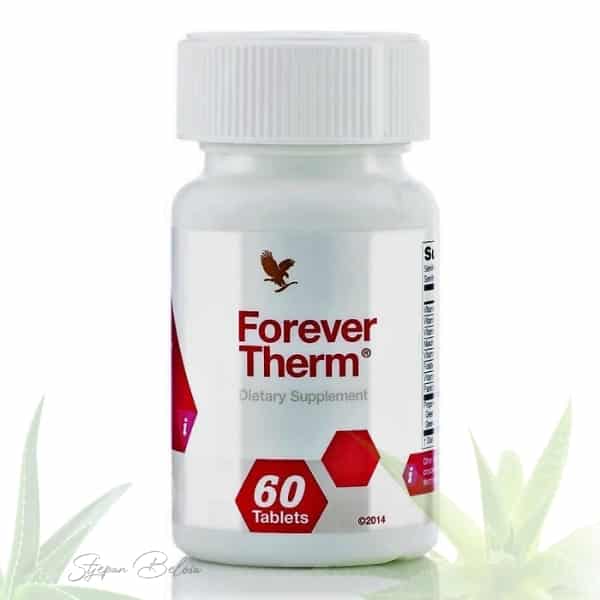 Forever Therm
Worth considering when you want energy support inside a weight-management routine.
It fits topics such as appetite, portions, energy or a weight-management routine.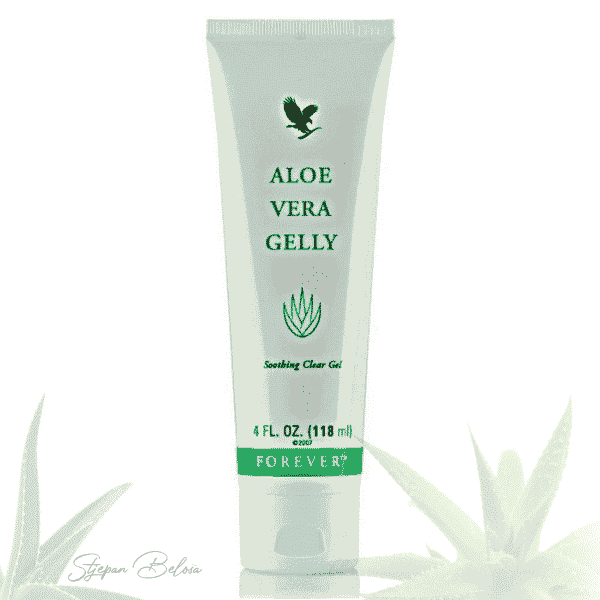 Aloe Vera Gelly
A practical outer-care product when the goal is skin comfort and a simpler care routine.
Closest to a care routine for skin, hair or everyday personal care.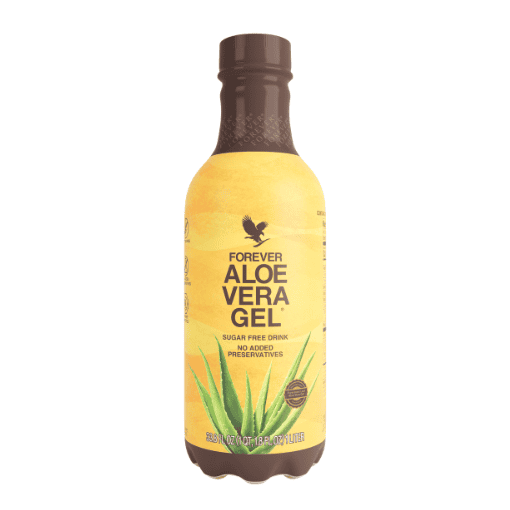 Aloe Vera Gel
A daily aloe drink for people who want simple support for digestion and routine.
It makes sense if you are looking at the topic through digestion and a simpler daily routine.Low-temperature Cooking: Does it Preserve more Nutrients?
Low-temperature cooking has captivated both gourmets and health-conscious individuals. If you've ever wondered whether your broccoli loses its precious vitamin C as soon as the water boils, keep reading – we reveal how crucial heat is for preserving vitamins, minerals, and flavor.
What Does “Low-Temperature” Cooking Actually Mean?
In layman's terms, all methods that heat food below 100 °C fall into this category. Sous vide (55-80 °C),slow cooker (75-95 °C), confit, or an oven at 90 °C – they all do the same thing:gradually transfer heat so nutrients break down more slowly.
You might wonder why? Lower temperatures preserve sensitive compounds, prevent drying out, and reduce the formation of potentially harmful substances (e.g., acrylamide).
How Heat Changes Vitamins and Minerals
Water-soluble vitamins – primarily C and most B vitamins – are the most sensitive. Vitamin C begins to oxidize above 70 °C, while folates and thiamine lose potency with prolonged cooking in water. Vitamins A, D, E, and K are more stable but can oxidize when exposed to oxygen and light.
Minerals are more robust but leach into cooking water. That's why soup is rich in potassium from carrots, while the carrots on the plate are poorer. Low-temperature methods combine gentle heat and minimal liquid, so mineral losses remain minimal.
Benefits of Low-Temperature Cooking
1. Greater Preservation of Vitamin C and B-complex
A comparison of sous vide chicken breast (70 °C, 90 min) and traditional cooking (100 °C, 20 min) showed 47% more vitamin B6 in the sous vide sample. If you're still concerned about getting enough vitamin C, consider theForever Absorbent C supplement, which combines natural Acerola and oats for gradual release.
2. Richer Antioxidant Profile
Gentle heat preserves polyphenols in vegetables like spinach and kale. In one Korean study, sous vide spinach had 18% more total phenols compared to blanched.Antioxidants are the first line of defense against oxidative stress (especially during detox programs likespring detox).
3. Reduced Formation of Harmful Compounds
When potatoes and grains brown above 120 °C, acrylamide forms. Low-temperature cooking keeps the thermometer below that threshold, protecting your body from unnecessary toxins.
Low-temperature Cooking and Methods You Can Try Today
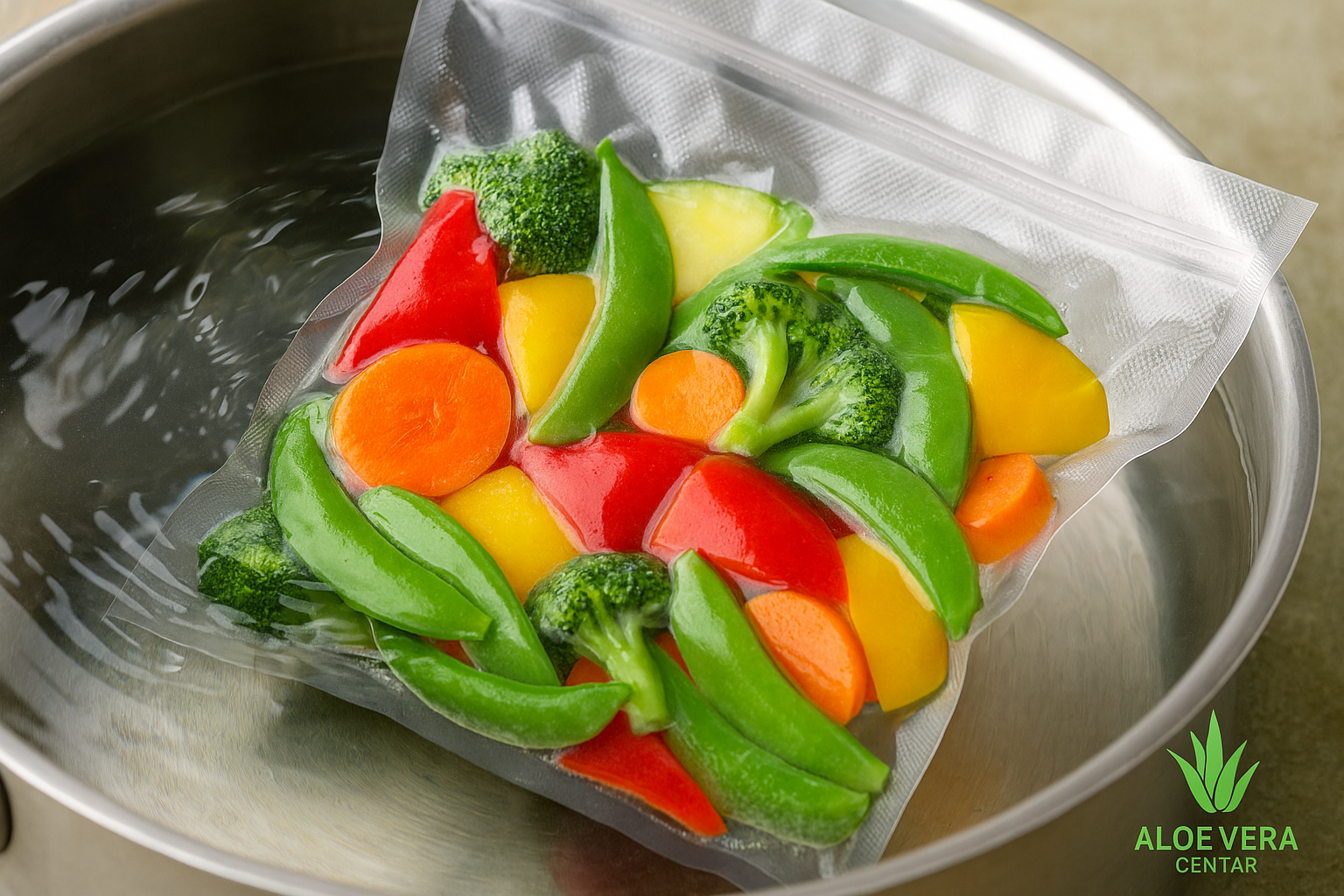
- Sous vide – immerse the bag in a water bath at 55-80 °C. Ideal for chicken, fish, and vegetables.
- Slow cooker – put all ingredients in the morning, come home from work to a fragrant, nutritious meal. Try C9 recipes and adapt them to slow cooking.
- Steaming – a basket above gently boiling water keeps the vegetable temperature around 96 °C.
- Low oven – 90 °C, ideal for delicate proteins and fruits.
Sounds too good to be true? Keep reading…
Practical Tips for Maximum Nutritional Benefit
- Cutting into larger pieces reduces exposure to oxygen and water.
- Add lemon juice or vinegar – a slightly acidic pH stabilizes vitamin C.
- Use broth instead of water so any minerals remain in the dish.
- Don't overdo it with salt; it accelerates potassium excretion.
- At the end of cooking, mix in fresh Aloe Vera Gelly for additional skin hydration from within.
If you're unsure how to incorporate all this into your routine, use ourAI advisor – it will personalize the menu according to your goals and available appliances.
Examples of Dishes and Combinations
•Sous vide salmon (52 °C, 45 min) + blanched broccoli = 30% more omega-3 compared to pan-frying. •Slow cooker chicken breast + quinoa = juicy meat without added fats. •Fruit compote at 85 °C, 40 min – a great dessert with minimal polyphenol loss.
Low-temperature Cooking and What Science Says
According to areview on Healthline, sous vide reduces riboflavin loss in beef by 38%. Another randomized study showed that people who consumed steamed vegetables had 24% higher blood beta-carotene levels after 6 weeks.
Here's the thing:temperature and time are the two most important tools you have in the kitchen. With a precise thermometer and a little patience, you turn your meal into a natural multivitamin.
Close Alternatives when You Don't Have Specialized Equipment
• Place a metal bowl over a pot of water – an improvised bath. • Set the oven to “warm” (around 80 °C). • Use a thermos for “steam” cooking oats or lentils during the workday.
Common Mistakes in Low-Temperature Cooking
- Unpasteurized eggs at too low a temperature – increased risk of salmonella.
- Holding meat below 55 °C for too long – texture becomes mushy.
- Insufficient vacuuming – oxidation of flavor and color.
To do everything safely, follow HACCP rules and invest in a probe thermometer.
Frequently asked questions
Why Does Sous Vide Food Look “Raw”?
Although the color remains pink, the internal temperature reaches safe levels to destroy pathogens. It's just a visual effect.
Can I Cook Vegetables at Low Temperatures without Expensive Devices?
Yes. A steam basket in a pot with a lid keeps the temperature around 96 °C and preserves vitamins almost as well as sous vide.
Does the Energy Value of Food Decrease?
Calories remain the same; only nutrient availability changes. Fats oxidize less, so they can be “easier” to digest.
Conclusion
Additional Tips for Even Healthier Eating
In addition to preserving vitamins, low-temperature cooking also positively affects heart health. A diet rich in carefully prepared foods can help control elevated triglyceride levels, as less oxidized fats turn into harmful compounds. If you want to further improve skin health, consider adding aloe vera to your daily meals. Aloe has proven positive effects against premature skin aging, and gentle heat treatment can better preserve its moisturizing properties. Try our creative recipes from the article cooking with aloe vera – 3 unusual recipes for true gourmets. Also, if you're often busy and looking for healthy and practical meals that can be prepared quickly, check out our healthy dinners for late arrivals. For those who want a more structured approach to diet, you might be interested in the popular UN diet, whose rules can easily be incorporated into low-temperature cooking methods.Note: The article is for educational purposes and is not a substitute for professional medical advice. For individual recommendations, consult a qualified nutritionist or doctor.
Products most closely related to this topic
If you want to compare concrete options after reading, these products are the closest match to the article topic.
Forever ThermWorth considering when you want energy support inside a weight-management routine.
It fits topics such as appetite, portions, energy or a weight-management routine.Aloe Vera GellyA practical outer-care product when the goal is skin comfort and a simpler care routine.
Closest to a care routine for skin, hair or everyday personal care.Aloe Vera GelA daily aloe drink for people who want simple support for digestion and routine.
It makes sense if you are looking at the topic through digestion and a simpler daily routine.Short answers that help
If you are still comparing options, these are the points worth checking before you continue.
What is useful to take from this article?
Use it to understand the topic more clearly and decide whether it connects with your current routine, habits or product comparison.
When should I ask for a recommendation?
Ask when you recognize the topic but are not sure which Forever product or next step fits your situation.
Does this replace professional advice?
Low-temperature Cooking - Preserve Nutrients in Every Bite is educational content. For medical conditions, medication, pregnancy or persistent symptoms, include qualified professional advice.
Describe what you want to achieve
If you do not know which product to choose, write your goal, habits or doubts and get a more concrete suggestion.
Recommended products
Related articles to keep exploring