The key points from this article
- Migraine and classic tension headache are so different that many doctors view them as two completely separate conditions.
- If you've ever spent a day in a darkened room fighting pulsating pain, nausea, and light sensitivity, you know that migraine isn't "just a stronger headache." Below, w...
- For personal questions, continue with a recommendation so the next step fits your situation.
Products most closely related to this topic
If you want to compare concrete options after reading, these products are the closest match to the article topic.
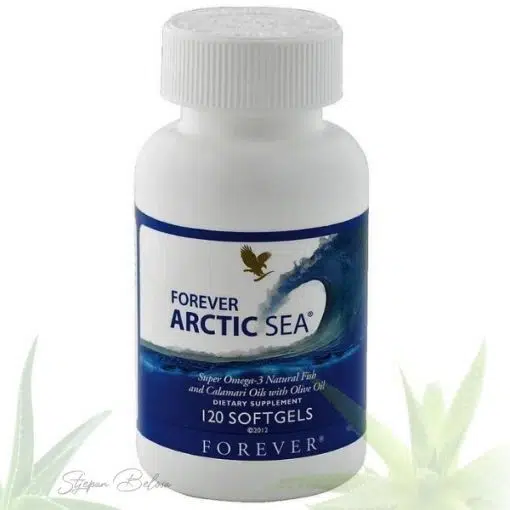 Arctic Sea Omega
A supplement for energy, heart and circulation routines when you want longer-term daily support.
Useful to compare when you are looking for energy, focus or vitality support.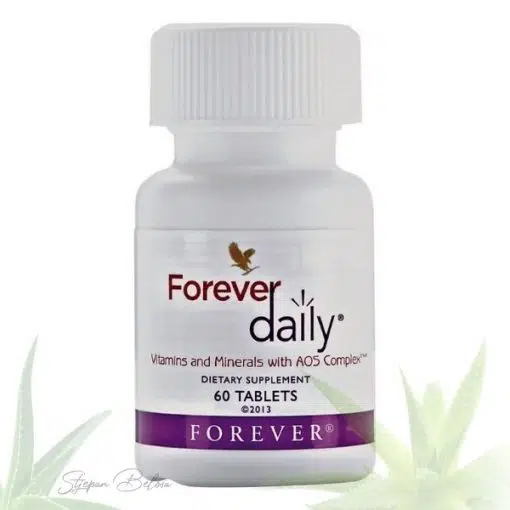 Forever Daily
Daily vitamin support when you want a steadier immunity, energy or nutrition routine.
Connected with daily support for immunity, energy or baseline nutrition.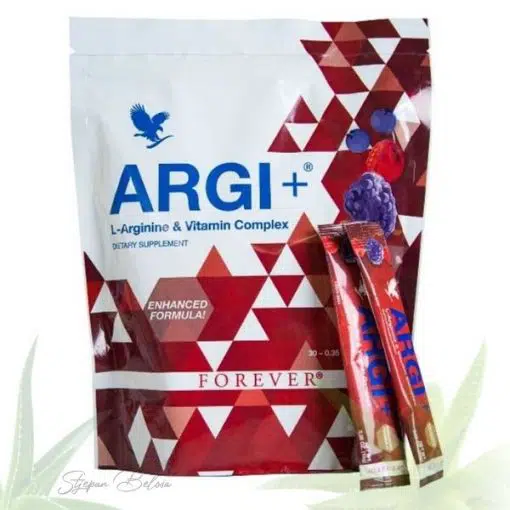 Forever Argi+
A supplement for energy, heart and circulation routines when you want longer-term daily support.
Useful to compare when you are looking for energy, focus or vitality support.Migraine vs. Regular Headache: Can Supplements Help with Prevention?
Migraine and classic tension headache are so different that many doctors view them as two completely separate conditions. If you've ever spent a day in a darkened room fighting pulsating pain, nausea, and light sensitivity, you know that migraine isn't "just a stronger headache." Below, we'll clearly distinguish the symptoms, triggers, and progression of both conditions - and reveal how wisely chosen supplements can play a role in long-term prevention.
You might wonder why?Here's the deal: combining targeted nutrition, proper hydration, and specific nutrients can significantly reduce the frequency and intensity of attacks, without having to rely entirely on painkillers.
How to Distinguish Migraine from Regular Headache
Typical Migraine Symptoms
- Pulsating pain on one side of the head (though it can"switch"sides between attacks)
- Photophobia and phonophobia - increased sensitivity to light and sound
- Nausea, sometimes vomiting
- Aura: visual disturbances like"flashes"or blurred vision before the attack
Classic Tension Headache Symptoms
- Dull, pressing pain on both sides of the head or around the crown
- Feeling of tension in neck and shoulder muscles
- Usually without nausea and light sensitivity
- Rarely completely interferes with daily activities
This makes it clearer why therapeutic approaches differ - and why more attention is being paid to preventive strategy instead of merely "putting out fires" when pain already starts.
What Triggers an Attack? Triggers We Often Overlook
Even the most experienced neurologists emphasize that genetics plays a role, but environmental triggers are often crucial. Common culprits include:
- Irregular meals or blood sugar drops
- Dehydration - check if you're drinking enough water, as water intake can be crucial
- Hormonal changes (especially in women)
- Certain foods: aged cheese, red wine, nitrates from cured meats
- Stress - find more about stress reduction techniques in our article about natural relaxation methods
But that's not all...
A lack of key micronutrients like magnesium, vitamin B2 (riboflavin), and omega-3 fatty acids can increase susceptibility to attacks. This is where supplements come in.
Three Supplements with Strong Scientific Support
1. Magnesium - the Nervous System Calming Mineral
A study published in theJournal of Headache and Pain showed that supplementation with 600 mg of magnesium citrate daily can reduce migraine frequency by up to 41%. This mineral helps regulate neurotransmitters and relax blood vessels, leading to more stable brain functions.
2. Riboflavin (Vitamin B2) - Energy for Brain Cells
Doses of 400 mg riboflavin daily are associated with a 50% reduction in migraines over a period longer than three months. Riboflavin optimizes mitochondrial function so brain cells manage energy better.
3. Omega-3 Fatty Acids - the Silent"Inflammation Quencher"
Inflammatory molecules prostaglandins play a role in the formation of painful brain vessel edema. A 2024 systematic review from thePubMed database reports that high doses of EPA and DHA (2-3 g/day) reduced the number of migraines in adult participants in 8 out of 10 observed studies.
Practical solution: you can find the EPA and DHA combination inForever Arctic Sea Omega, a dietary supplement that combines fish oil with squid oil for optimal absorption and minimal fish smell.
Combined Plan: Supplements + Lifestyle Changes
Supplements aren't a magic wand, but in synergy with smart lifestyle habits, they make a difference. Here's how it works in practice:
1. Reduction of Dietary Triggers
Keep a food diary and note headache occurrences. After just two weeks, you'll see patterns worth eliminating or limiting.
2. Prioritize Sleep
Struggling with insomnia? Integrate a "no-screen" routine at least 30 minutes before bedtime. If you need motivation, read the article about thepower of silence and mental reset.
3. Maintain Hydration Levels
It's not uncommon for the first sign of dehydration to be a headache. Set a reminder on your phone or use theAI advisor that can warn you when you haven't drunk enough water during the day.
4. Movement and Stretching
Fifteen minutes of gentle neck and upper back stretching can relieve muscle tension - a common trigger for tension headaches. You'll find more specific techniques in the article aboutmost common causes of headaches.
Natural Synergy: Aloe, Magnesium, and Riboflavin
Sounds too good to be true? Keep reading...
The role of aloe vera in gut microbiome health is just being discovered, but the polysaccharide acemannan appears to help with better magnesium absorption. Read more about this in the articlenatural help for migraines.
This creates a "nutritional trio" that stabilizes the nervous system and supports healthy blood vessels.
When to Add a Multivitamin?
If your diet varies or you travel frequently, consider a B-complex-rich multivitamin. An "all-in-one" solution is offered byForever Daily multivitamin, which provides at least 100% of the recommended daily intake of riboflavin in one tablet.
How to Properly Dose and Combine Supplements
Here's a practical guide:
| Supplement | Recommended Dose | Time of Use |
|---|---|---|
| Magnesium (citrate or glycinate) | 400-600 mg | Evening with dinner |
| Riboflavin (B2) | 400 mg | Morning with breakfast |
| Omega-3 (EPA/DHA) | 2000-3000 mg | Divided, with meals |
Note: If you're taking anticoagulants, consult your doctor before taking high doses of omega-3.
Frequently Asked Questions
How Quickly Can I Expect Results from Magnesium?
Most studies show initial results after 4-6 weeks of continuous use.
Is it Safe to Take Riboflavin Together with other B-Complex Vitamins?
Yes, but make sure the total B2 dose doesn't exceed 400 mg daily to avoid yellow urine discoloration.
Can Caffeine Help with Headaches or is it more of a Problem?
A small measured intake (70-100 mg) can relieve pain, but excessive intake increases the risk of "rebound" headaches.
Conclusion: the Path to Headache"at Rest"
Comparing migraine and regular headache, it's clear that migraine requires a strategic approach.The combination of magnesium, riboflavin, and omega-3 provides an accessible and scientifically supported way to reduce the number of attacks. Add healthy habits, quality sleep, and moderate exercise, and you're on the right track.
Finally, it's important to emphasize that the path to migraine relief requires a combination of knowledge, patience, and the right allies. If you want to better understandmigraine symptoms and learn how to distinguish them from regular headaches, be sure to check out our detailed guide. Those who exercise regularly can learn more about whichprotein supplements are best for maintaining energy and recovery, while women suffering from cyclical pain will discover practical advice in the article aboutmenstrual cramps and the role of aloe vera and magnesium. The combination of scientifically supported supplements and lifestyle changes can significantly reduce attack frequency - and give you back control over your daily life.
Note: This article is for educational purposes and is not a substitute for professional medical advice. For diagnosis and treatment, consult a qualified healthcare professional.
Products most closely related to this topic
If you want to compare concrete options after reading, these products are the closest match to the article topic.
Arctic Sea OmegaA supplement for energy, heart and circulation routines when you want longer-term daily support.
Useful to compare when you are looking for energy, focus or vitality support.Forever DailyDaily vitamin support when you want a steadier immunity, energy or nutrition routine.
Connected with daily support for immunity, energy or baseline nutrition.Forever Argi+A supplement for energy, heart and circulation routines when you want longer-term daily support.
Useful to compare when you are looking for energy, focus or vitality support.Short answers that help
If you are still comparing options, these are the points worth checking before you continue.
What is useful to take from this article?
Use it to understand the topic more clearly and decide whether it connects with your current routine, habits or product comparison.
When should I ask for a recommendation?
Ask when you recognize the topic but are not sure which Forever product or next step fits your situation.
Does this replace professional advice?
Migraine vs. Regular Headache - Supplements that Prevent Attacks is educational content. For medical conditions, medication, pregnancy or persistent symptoms, include qualified professional advice.
Describe what you want to achieve
If you do not know which product to choose, write your goal, habits or doubts and get a more concrete suggestion.
Recommended products

Related articles to keep exploring