The key points from this article
- Migraine is not just a regular headache – it's a complex neurological condition affecting millions of people worldwide.
- Dnevna vitaminska podrška kada želiš uredniju rutinu imuniteta, energije ili prehrane.
- For personal questions, continue with a recommendation so the next step fits your situation.
Products most closely related to this topic
If you want to compare concrete options after reading, these products are the closest match to the article topic.
 Aloe Vera Gel
A daily aloe drink for people who want simple support for digestion and routine.
It makes sense if you are looking at the topic through digestion and a simpler daily routine. Forever Active Pro B
Probiotic support when you want an easier daily way to care for digestion.
It makes sense if you are looking at the topic through digestion and a simpler daily routine. Forever Argi+
A supplement for energy, heart and circulation routines when you want longer-term daily support.
Useful to compare when you are looking for energy, focus or vitality support.Natural Migraine Relief: Potential Roles of Aloe, Magnesium, and Riboflavin
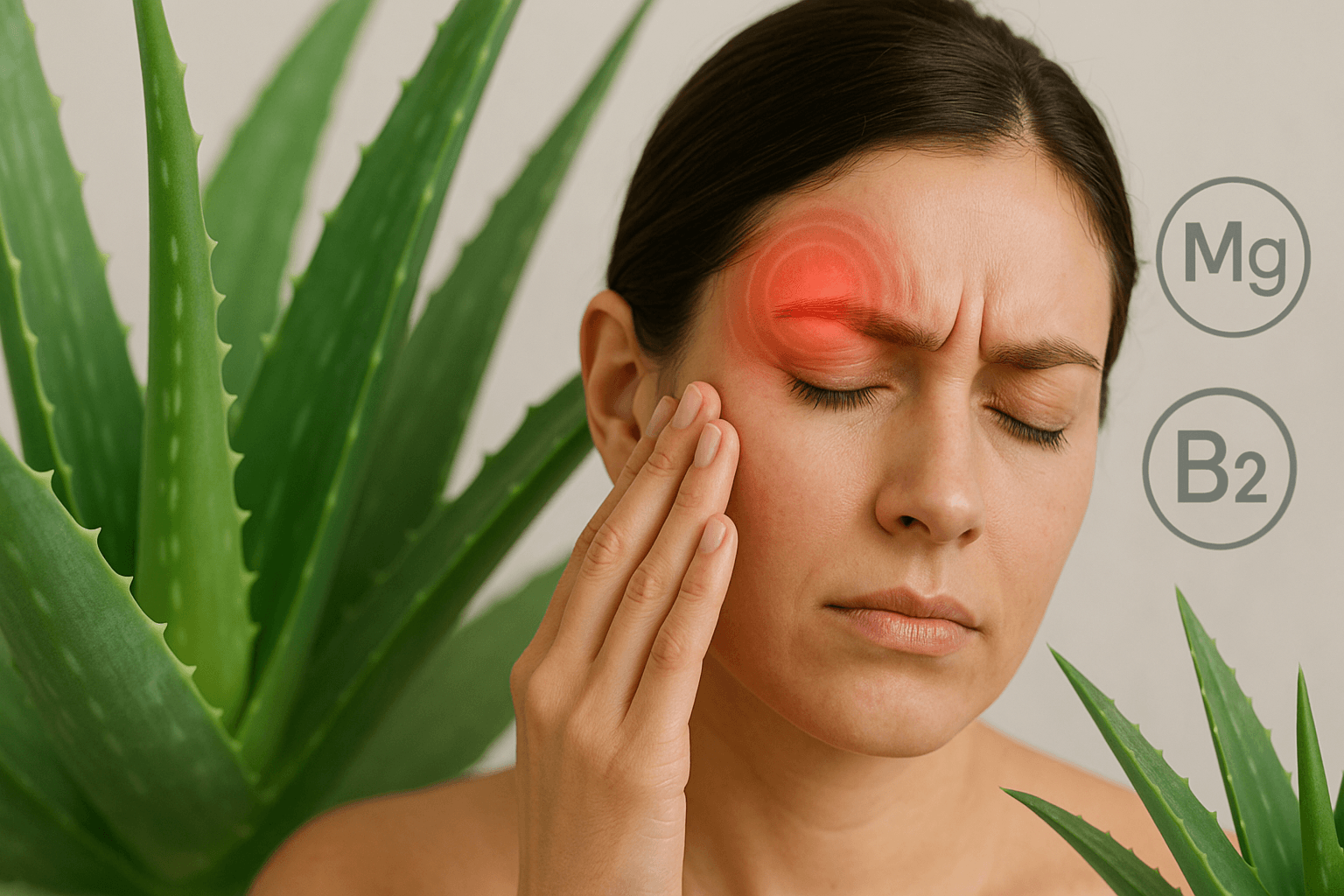
Migraine is not just a regular headache – it's a complex neurological condition affecting millions of people worldwide. From pulsating pain, nausea, and light sensitivity to difficulties with concentration and daily activities, migraines can seriously impact quality of life. While there are numerous medications and medical treatments designed to alleviate symptoms, more people are turning to natural migraine relief, seeking a holistic approach to easing symptoms and reducing attack frequency.
In this article, we'll explore how natural ingredients – like aloe vera, magnesium, and riboflavin (vitamin B2) – can contribute to relieving migraine symptoms and reducing the intensity and frequency of attacks. We'll look at the scientific understanding behind their mechanisms of action, possible side effects or precautions, and how to integrate them into your daily routine. If you've experienced migraine difficulties yourself or are just looking for information that might help, keep reading to discover how natural support can complement conventional methods and create a foundation for improved overall health and vitality.
What are Migraines and why Do They Occur?
Migraine is classified as a primary headache disorder, characterized by intense, pulsating pain that often occurs on one side of the head. The frequency and duration of migraines can vary greatly: some people have attacks once every few months, while others experience them weekly. Typical symptoms include:
- Nausea and vomiting
- Light sensitivity (photophobia)
- Sound sensitivity (phonophobia)
- Difficulty concentrating
- Fatigue and irritability
While the exact cause of migraines isn't fully understood, experts indicate that combined factors are responsible, including genetics, nervous system dysfunction, hormonal changes, and environmental triggers. Common triggers often include certain foods (e.g., chocolate, cheese), stress, changes in sleep patterns, strong odors, or flashing lights.
Since migraines can have such a wide range of triggers andmigraine symptoms, more people are interested in holistic solutions that can work preventively, not just treat pain when it occurs. This includes various dietary strategies, supplements, relaxation techniques, and even natural ingredients like aloe vera, magnesium, and riboflavin.
The Role of Aloe Vera in Relieving Migraine Symptoms
1. Natural Anti-inflammatory Effects
It's well known that aloe vera possesses anti-inflammatory properties thanks to its rich content of antioxidants, enzymes, and polysaccharides. In migraines, inflammatory processes in the nervous system (including blood vessel dilation in the brain) are thought to contribute to pain intensity. Regular consumption of aloe vera, for example in drink form, could help reduce the accumulation of inflammatory factors in the body, although scientific evidence is still limited and rather preliminary.
2. Hydration and Detoxification
It's not uncommon for people with migraines to have problems maintaining electrolyte and fluid balance in their body. Aloe vera contains a high percentage of water and certain minerals and amino acids, which can contribute to better hydration and easier toxin elimination. For some people, dehydration or electrolyte imbalance can trigger migraines, so regular and moderate consumption of Aloe Vera Gel drink (e.g., from the Forever Living range) can help maintain optimal hydration levels.
3. Soothing Effect on the Digestive System
It's known that digestive issues and migraines can be connected. For some people, migraine attacks come with abdominal pain or diarrhea. Aloe vera has adaptogenic properties in the digestive tract – it can reduce mucosal irritation and support a healthy microbiome. This potentially helps stabilize the digestive system and indirectly reduce one of the possible migraine triggers.
How Magnesium Helps with Migraines
1. Regulator of Nerve Function and Muscle Tension
Magnesium is a mineral of crucial importance for overall body function, especially for nerve and muscle operation. In the context of migraines, studies suggest that magnesium deficiency can contribute to muscle cramps and excessive excitation of nerve cells in the brain. This increases the risk of migraine attacks.
2. Blood Vessel Dilation and Constriction
Migraine involves abnormal dilation and constriction of blood vessels in the brain. Magnesium works on relaxing smooth muscles around blood vessels, which can help stabilize blood flow and reduce spasms. Regular magnesium intake helps maintain normal blood vessel tone, which can reduce the frequency and intensity of migraines.
3. Hormonal Balance
Women often report more frequent migraines during their menstrual cycle or menopause. Magnesium helps regulate hormones like estrogen and progesterone, while its deficiency during the premenstrual phase can increase the risk of attacks. Taking magnesium as a supplement (or eating magnesium-rich foods like seeds, nuts, and green leafy vegetables) can contribute to more stable hormonal fluctuations.
Why is Riboflavin (Vitamin B2) Beneficial?
1. Effectiveness in Migraine Prevention
Riboflavin, also known as vitamin B2, is often mentioned in literature as a useful supplement for people who suffer from migraines. According to some studies, long-term riboflavin intake can reduce attack frequency and pain intensity. Riboflavin is considered crucial for normal mitochondrial function – the cell's "power plants" – and certain theories highlight that mitochondrial dysfunction is a potential factor in migraines.
2. Improvement of Brain Energy Metabolism
The brain consumes a large amount of energy, and migraines are sometimes associated with lack of cellular energy or poor glucose and oxygen supply. As a coenzyme in numerous enzymatic reactions, riboflavin helps cells (including neurons) efficiently produce ATP (the body's energy currency). This could be particularly important in preventing the "energy deficit" associated with triggering migraines.
3. Synergy with other B Vitamins
Riboflavin works together with other B-group vitamins (e.g., niacin – B3, pyridoxine – B6, folic acid – B9), as well as magnesium, in various biochemical processes. That's why supplements intended for people with headaches sometimes contain a combination of multiple B vitamins or a "B-complex" for optimal results.
How to Apply Aloe, Magnesium, and Riboflavin in Daily Life?
1. Supplements and Drinks
Precisely because migraine can occur with a range of potential triggers, many opt for dietary supplements that are easily available and simple to take. Let's consider several examples:
- Aloe Vera Gel – Can be drunk daily (1 to 2 capfuls), for example Forever Aloe Vera Gel from the Forever Living range, to achieve additional hydration and digestive support.
- Magnesium as a supplement – Available as magnesium citrate, oxide, glycinate, etc. If you have digestive issues, carefully choose the form that works best for you. Average doses are 200-400 mg daily, but consult with an expert before starting.
- Riboflavin (vitamin B2) – Many supplements come in doses of 100-400 mg daily for migraine prevention. Studies often cite regular use for 2-3 months before noticeable effects.
2. Balanced Diet
While supplements are convenient, the best foundations for good health lie in a diverse and balanced diet. This means:
- Sufficient intake of green leafy vegetables (spinach, Swiss chard, kale) which are rich in magnesium and B vitamins.
- Fermented foods or probiotics can benefit digestion, which indirectly helps alleviate stress that leads to migraines.
- Whole grains (oats, brown rice, buckwheat) contribute to more stable blood sugar levels, and thus lower risk of headaches caused by hypoglycemia.
- Drinking enough water – Even mild dehydration can be a migraine trigger for some people.
If you face frequent migraines, you might want to keep a food diary to see if certain foods correlate with attack occurrence.
3. Other Support Techniques
We can't forget that migraine is a complex phenomenon and natural ingredients like aloe, magnesium, and riboflavin work best in synergy with other methods:
- Relaxation techniques – Meditation, yoga, progressive muscle relaxation, or massage can help reduce stress levels, which may decrease the likelihood of attacks.
- Healthy sleep patterns – Regularity, quality sleep, and avoiding excessive screen exposure before bedtime contribute to a more stable nervous system.
- Physical activity – Moderate exercise promotes better circulation and release of endorphins, the body's"natural painkillers."
- Avoiding major triggers – Some people react to caffeine, others to wine or aged cheese. Knowing your own triggers can dramatically reduce migraine frequency.
Possible Side Effects and Precautions
While aloe vera, magnesium and riboflavin are generally safe for most people, certain precautions are necessary:
- Aloe vera drinks – Excessive doses can cause diarrhea, abdominal cramps, or side effects if used improperly (e.g., using inappropriate parts of the plant). Pregnant women, nursing mothers, and people with chronic diseases should consult their doctor.
- Magnesium – High doses can cause diarrhea, nausea, or lowered blood pressure. If you're already taking heart medications or diuretics, check for possible interactions.
- Riboflavin – High doses (far above recommended) are usually excreted in urine (which may take on an intense yellow color), but in extreme cases, tingling or skin itching may occur.
Due to all of the above, it's always recommended to consult with a doctor, pharmacist, or nutritionist before introducing higher doses of these supplements, especially if you're taking other medications or have certain health issues.
FAQ (Frequently Asked Questions)
1. Can Aloe Vera Alone Prevent Migraines?
There's no magic plant that will completely eliminate migraines. Aloe vera can provide support, especially if dehydration or inflammation is a factor, but it usually needs to be combined with other measures and, if necessary, medical therapy.
2. How much Magnesium should I Take for Migraines?
Scientific studies often mention doses of 300 to 600 mg of magnesium daily, but the ideal dose varies depending on the individual and the form of magnesium. It's best to seek expert advice and adjust the dose to your health condition.
3. How Long Does it Take for Riboflavin to Start Working?
Research indicates that it often takes 2-3 months of regular riboflavin use before you notice a significant decrease in migraine frequency or intensity. Be patient and consistent in taking it.
4. Can Forever Living's Aloe Vera Gel be Combined with Magnesium and Riboflavin?
Yes, this combination is safe in most cases and could provide synergistic effects. However, if you're taking any chronic therapy, consult with your doctor to avoid possible interactions and adjust doses.
Conclusion: a Holistic Approach to Natural Migraine Relief
While migraines can be extremely frustrating and uncomfortable, there are ways to help yourself and possibly reduce their strength and frequency.Aloe vera, with its soothing and anti-inflammatory properties,magnesium which contributes to proper nerve and muscle function, and riboflavin known for supporting cellular energy processes – these are all elements that, along with good nutrition and healthy lifestyle habits, form a valuable type of natural migraine relief.
This text is for informational purposes and does not replace medical advice. For specific recommendations, consult your doctor, pharmacist, or nutritionist.
Products most closely related to this topic
If you want to compare concrete options after reading, these products are the closest match to the article topic.
Aloe Vera GelA daily aloe drink for people who want simple support for digestion and routine.
It makes sense if you are looking at the topic through digestion and a simpler daily routine.Forever Active Pro BProbiotic support when you want an easier daily way to care for digestion.
It makes sense if you are looking at the topic through digestion and a simpler daily routine.Forever Argi+A supplement for energy, heart and circulation routines when you want longer-term daily support.
Useful to compare when you are looking for energy, focus or vitality support.Short answers that help
If you are still comparing options, these are the points worth checking before you continue.
What is useful to take from this article?
Use it to understand the topic more clearly and decide whether it connects with your current routine, habits or product comparison.
When should I ask for a recommendation?
Ask when you recognize the topic but are not sure which Forever product or next step fits your situation.
Does this replace professional advice?
Natural Relief for Migraines: Aloe, Magnesium, and Riboflavin is educational content. For medical conditions, medication, pregnancy or persistent symptoms, include qualified professional advice.
Describe what you want to achieve
If you do not know which product to choose, write your goal, habits or doubts and get a more concrete suggestion.
Recommended products


Related articles to keep exploring