The key points from this article
- Psoriasis is a chronic inflammatory skin disease that affects millions of people worldwide.
- It is characterized by red, thickened plaques covered with silvery scales that can cause itching, discomfort, and self-consciousness.
- For personal questions, continue with a recommendation so the next step fits your situation.
Products most closely related to this topic
If you want to compare concrete options after reading, these products are the closest match to the article topic.
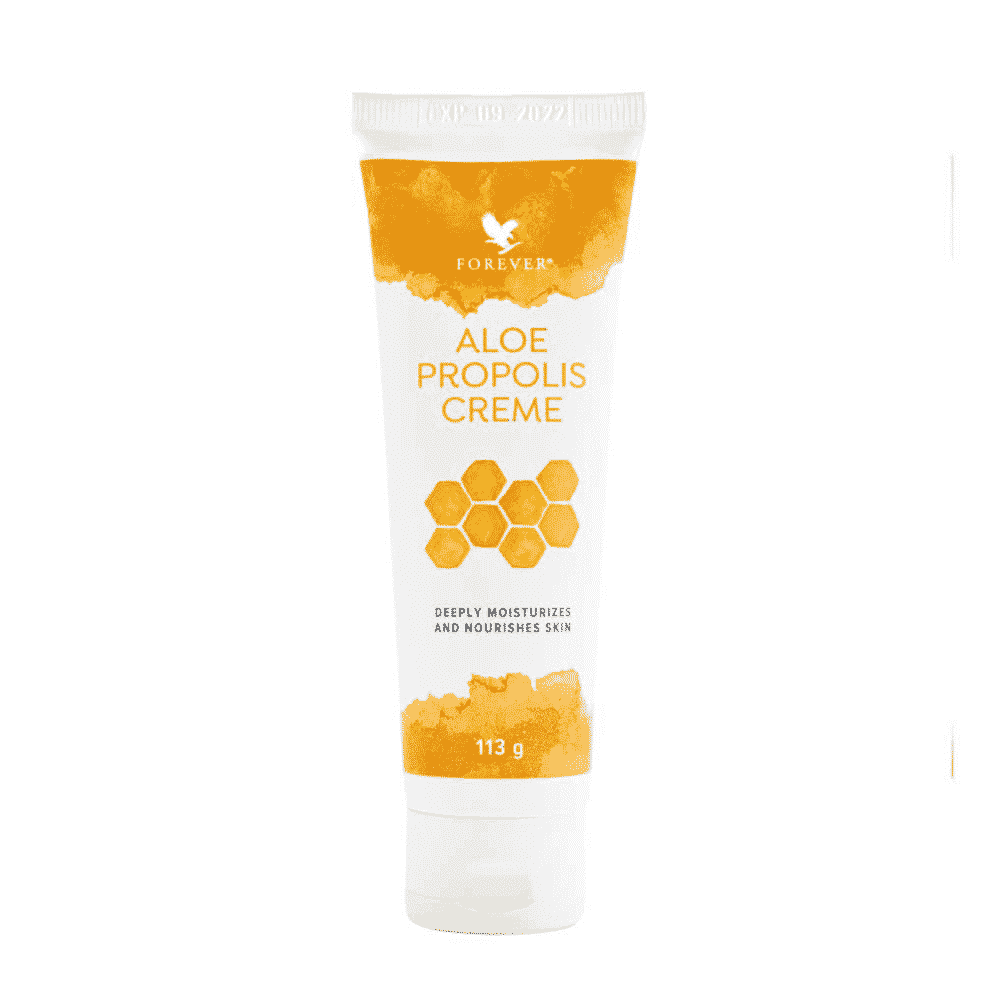 Aloe Propolis Cream
Natural daily support when you want a bee-derived or botanical product for energy and resilience.
Closest to a care routine for skin, hair or everyday personal care.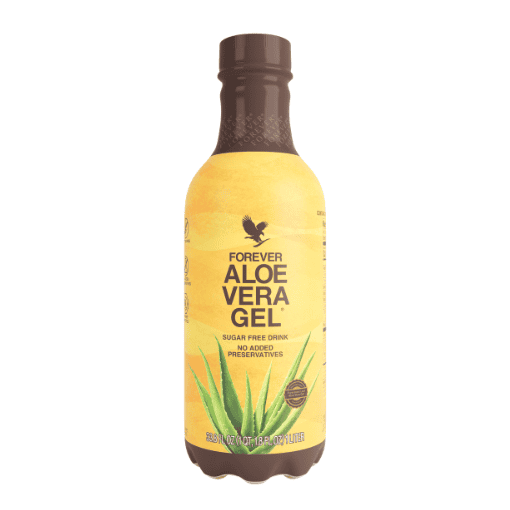 Aloe Vera Gel
A daily aloe drink for people who want simple support for digestion and routine.
It makes sense if you are looking at the topic through digestion and a simpler daily routine.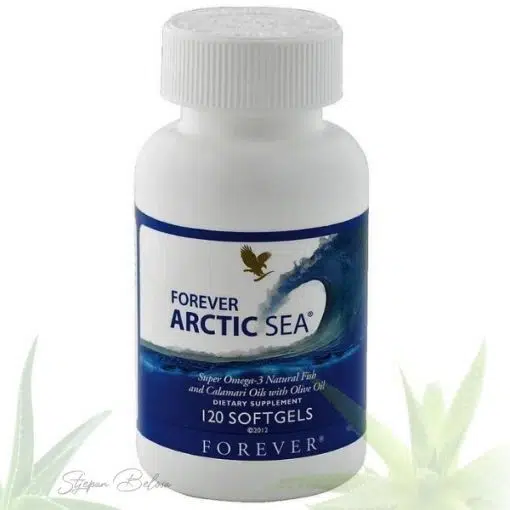 Arctic Sea Omega
A supplement for energy, heart and circulation routines when you want longer-term daily support.
Useful to compare when you are looking for energy, focus or vitality support.Psoriasis: A comprehensive guide to calmer skin and a healthier life
Psoriasis is a chronic inflammatory skin disease that affects millions of people worldwide. It is characterized by red, thickened plaques covered with silvery scales that can cause itching, discomfort, and self-consciousness. While psoriasis is often viewed as “just” a skin problem, it is important to know that it belongs to a group of autoimmune diseases, meaning that the body mistakenly attacks its own cells.
You may be wondering, “Why is this happening to me?” or “How can a skin disease have its roots in the immune system?” That’s what makes psoriasis so intriguing – its roots go far beyond the skin, and solutions often involve a comprehensive approach that combines nutrition, stress management, targeted natural solutions, and, when necessary, medical therapy.
Below, you'll learn exactly what psoriasis is, how it manifests, what the most common triggers are, and how to naturally support your body in calming its symptoms. We'll also touch on related topics like how autoimmune reactions work in the body, why people with one autoimmune disorder often tend to have others (e.g.,low TSH orHashimoto's), and why psoriasis sometimes occurs along withjoint pain or certain digestive disorders (such asceliac disease symptoms). Sound complicated? Don't worry—we'll explain everything step by step.
Psoriasis at first glance
Psoriasis most often appears as red or pink areas that gradually become covered with silvery-white scales. It most often affects areas such as the elbows, knees, scalp and lower back, but it can also appear on other parts of the body. In some people, psoriasis passes in a mild form, while in others it can be quite aggressive and significantly affect the quality of life.
According toresearch on Healthline, the predisposition to psoriasis is often hereditary, but triggers such as stress, infections, some medications, and certain diets can “wake up” the genetic predisposition and lead to an outbreak of symptoms. Sounds too good to be true? Keep reading because the key lies in understanding the mechanism of psoriasis and ways to support the body at the very “heart” of the problem.
How psoriasis develops: a brief look at the autoimmune process
The scaly patches are usually caused by an overactive immune system. Normally, the body produces new skin cells in cycles of about 28 days. However, in psoriasis, the immune system sends out a false alarm, causing skin cells to divide and mature much more quickly—sometimes within just a few days. The result? An excessive buildup of keratinocytes on the skin’s surface, creating the distinctive “plaques.”
A key role in this immune “rebellion” lies with T-cells, specialized immune cells that mistakenly activate inflammation in the skin. That’s why psoriasis, along with other conditions like low TSH (where the body reacts to its own thyroid) or Hashimoto’s, is classified as an autoimmune disorder.
The most common symptoms and types of psoriasis
Although psoriasis is most often referred to as a single disease, there are actually several subtypes that differ in appearance and where they appear:
- Plaque psoriasis (Psoriasis vulgaris): The most common form characterized by thick red areas covered with white scales.
- Guttate psoriasis: More common in children and younger people, it appears as tiny red dots.
- Inverse psoriasis: Usually appears in skin folds (armpits, groin) as smooth, red areas without scaling.
- Pustular psoriasis: A rarer but more severe form with white pus-filled blisters surrounded by red skin.
- Erythrodermic psoriasis: A rare but serious variant that affects large areas of the body.
Regardless of the form, common symptoms include itching, burning, redness, and flaking of the skin. Some people also experience joint pain, especially if psoriatic arthritis develops. This combination of skin and joint symptoms often overlaps with other autoimmune conditions in the body.
Psoriasis and its association with other autoimmune diseases
When the body activates an autoimmune mechanism, it rarely happens in complete isolation. Many people with psoriasis also experience symptoms of joint pain, while others develop thyroid problems such as low TSH and Hashimoto's disease. Some people also tend to have digestive problems, and are diagnosed with celiac disease symptoms.
Why does this happen? There’s a “leaky gut” theory that suggests that when the intestinal lining isn’t completely “sealed,” the immune system can overreact to multiple proteins and substances, triggering a cascade of inflammatory processes in the body. Sounds complicated, right? But once you connect the dots, it becomes clear that psoriasis is about addressing your overall health, not just the changes on your skin.
You might be wondering why this is important?
Because by focusing on the cause, not just the symptom, you increase the chance of a longer period without psoriasis flare-ups and better control of other autoimmune symptoms.
Natural strategies for symptom relief
While there is no one universal “cure” for psoriasis, there are a number of approaches that can keep it under control. Here’s how to approach a comprehensive plan:
1. Balanced and anti-inflammatory diet
A diet rich in whole foods, omega-3 fatty acids, vegetables, and fruits can help reduce inflammation in the body. Many people with psoriasis report that they have seen a noticeable improvement in their symptoms by eliminating refined sugars, gluten, or dairy. Of course, every body reacts differently, so listen to your body's signals.
2. Dietary supplements to support the skin and immunity
Natural ingredients rich in antioxidants, vitamins and minerals can contribute to skin regeneration and balanced immunity. For example,Aloe Propolis Creme can be a useful topical supplement that hydrates the skin and has soothing properties. For internal support of the skin and the entire body, many also like to tryForever Aloe Vera Gel, rich in nutrients and known for its anti-inflammatory benefits.
3. Stress management
Stress is one of the most common triggers for psoriasis flare-ups. You may already know this, but are your days filled with hectic deadlines, commitments, and worries? Try to set aside at least 10 minutes each day for breathing exercises, meditation, or a short walk in nature. According to research on PubMed, relaxation techniques can significantly reduce inflammation in the body.
4. Local care and baths
A warm (but not hot) bath with Himalayan salt or oatmeal can help soften the scaly patches and reduce itching. Afterwards, it's important to apply a moisturizer or gel to lock in moisture. Ideally, avoid harsh soaps and shampoos that dry out the skin.
5. Individualized approach
Because autoimmune reactions are unique, what works for one person may not work for another. Some people will see improvement with just a small change in diet, while others may need a combination of medication, phototherapy, and natural supplements. Be sure to consult your doctor, dermatologist, or immunologist, especially if you experience joint pain or any other symptoms related toautoimmune diseases along with your psoriasis.
Why does a holistic approach give the best results?
Psoriasis is not just a visual “defect” on the skin. It reflects a deeper imbalance in the body. Therefore, it is understandable that therapy that targets only skin symptoms will often not solve the problem “at the root”. A holistic approach includes:
- Changing diet and lifestyle
- Regular hydration and local skin care
- Stress management and mental health care
- Targeted nutritional supplements (e.g. aloe vera, propolis, omega-3)
- Collaboration with doctors who practice both conventional and complementary methods
This not only reduces the frequency of psoriasis outbreaks, but also improves the general state of health. After all, it is the "small victories" like better sleep, less stress and a healthier digestive system that make life better in the long run.
How can an AI advisor help you?
Did you know that today's technology enables personalized recommendations in just a few clicks? If you're looking for additional guidance or aren't sure what steps to take, you canuse our AI Advisor. It will help you choose the right products, nutritional advice and supplements, adapted to your lifestyle. However, keep in mind that no online tool can replace professional medical advice.
Stories from practice: How Ivana took control of her psoriasis
Ivana, a 35-year-old mother of two, had struggled with occasional but painful psoriasis flare-ups on her elbows and scalp for years. After trying countless creams and ointments, she decided to explore a holistic approach. She adopted a Mediterranean-style diet, with plenty of fresh fruit, olive oil and fish rich in omega-3 fatty acids. She started each day with a short morning yoga session and applied gentle, natural products to her skin. She noticed that the combination of aloe and propolis was particularly effective for hydrating and calming redness.
After a few months, the psoriasis outbreaks became less frequent and less intense. Of course, they didn't disappear overnight, but what Ivana emphasized was that her energy and self-confidence increased. As she says, she only felt "victory" when she stopped fighting only with the consequences on her skin, and decided to change her entire lifestyle.
Stories like these confirm that, while there is no single "trick" that will erase psoriasis overnight, a comprehensive approach can really make a big difference.
Frequently asked questions
1. Is psoriasis contagious?
No, psoriasis is not contagious. It is an autoimmune reaction and cannot be "infected" by touching or using shared objects.
2. Can psoriasis go away on its own?
Some people have periods of complete absence of symptoms (remission), but the disease often returns when exposed to triggers such as stress, infections or improper diet. Regular care and an adapted lifestyle can drastically reduce the frequency of outbreaks.
3. How does diet affect psoriasis?
A diet rich in anti-inflammatory ingredients (e.g. omega-3 fatty acids, fresh vegetables and fruits) can reduce inflammation in the body, including psoriasis symptoms. Many people with this condition benefit from avoiding refined sugars, alcohol and excessive saturated fat intake.
4. Can the same creams be used for psoriasis and other eczemas?
With your doctor's approval, you can try natural creams and gels that soothe the skin and promote regeneration. However, it should be kept in mind that each type of dermatological problem requires a different approach, so always check whether the ingredients are suitable for your skin type and your specific diagnosis.
Conclusion
Psoriasis, as part of an autoimmune disease, is a complex condition that requires more than just topical care. A holistic approach—a combination of a healthy diet, regular hydration, immune support, and stress management—often yields the best and most lasting results. Instead of just fighting the flaking and redness, focus on supporting your entire body in restoring balance.
Products most closely related to this topic
If you want to compare concrete options after reading, these products are the closest match to the article topic.
Aloe Propolis CreamNatural daily support when you want a bee-derived or botanical product for energy and resilience.
Closest to a care routine for skin, hair or everyday personal care.Aloe Vera GelA daily aloe drink for people who want simple support for digestion and routine.
It makes sense if you are looking at the topic through digestion and a simpler daily routine.Arctic Sea OmegaA supplement for energy, heart and circulation routines when you want longer-term daily support.
Useful to compare when you are looking for energy, focus or vitality support.Short answers that help
If you are still comparing options, these are the points worth checking before you continue.
What is useful to take from this article?
Use it to understand the topic more clearly and decide whether it connects with your current routine, habits or product comparison.
When should I ask for a recommendation?
Ask when you recognize the topic but are not sure which Forever product or next step fits your situation.
Does this replace professional advice?
Psoriasis – Natural strategies and a holistic approach to treatment is educational content. For medical conditions, medication, pregnancy or persistent symptoms, include qualified professional advice.
Describe what you want to achieve
If you do not know which product to choose, write your goal, habits or doubts and get a more concrete suggestion.
Recommended products
Related articles to keep exploring