The key points from this article
- Sensitive and reactive skin often requires special attention and care, and this is especially true for people suffering from atopic dermatitis (eczema).
- Dnevna vitaminska podrška kada želiš uredniju rutinu imuniteta, energije ili prehrane.
- For personal questions, continue with a recommendation so the next step fits your situation.
Products most closely related to this topic
If you want to compare concrete options after reading, these products are the closest match to the article topic.
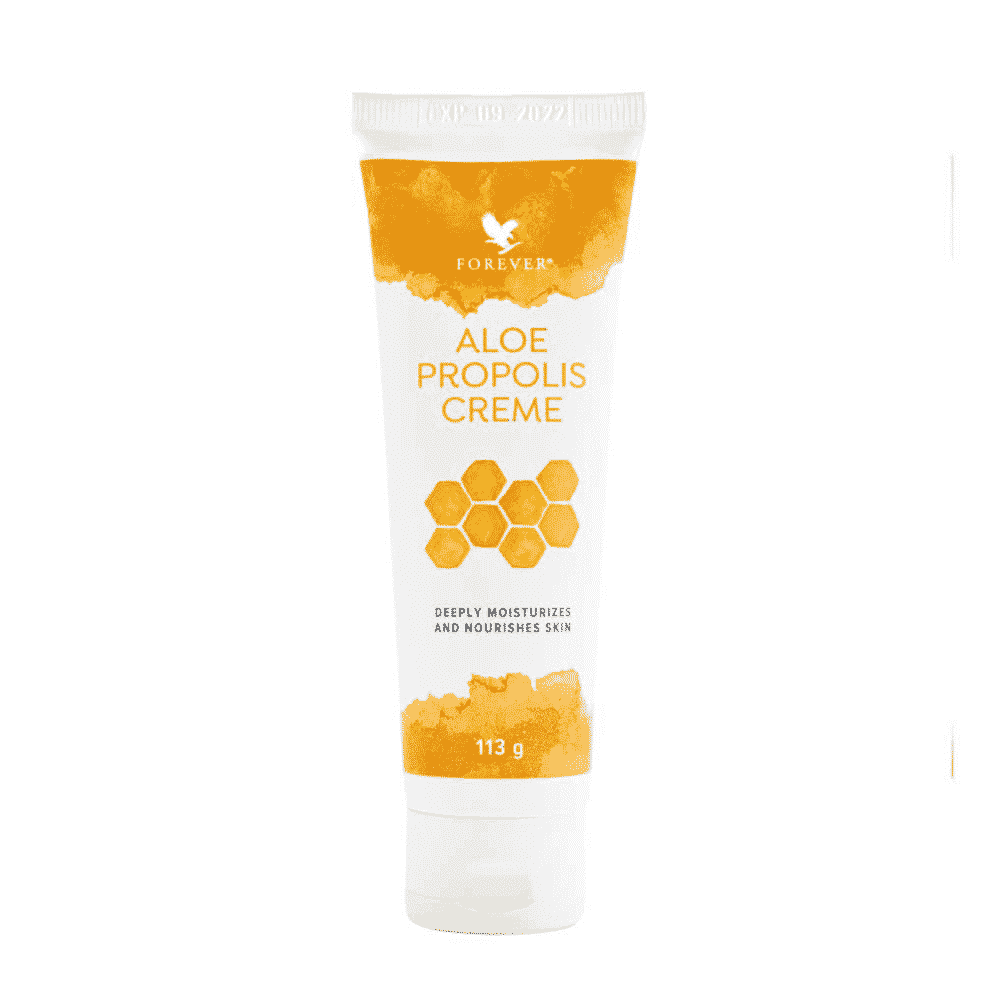 Aloe Propolis Cream
Natural daily support when you want a bee-derived or botanical product for energy and resilience.
Closest to a care routine for skin, hair or everyday personal care.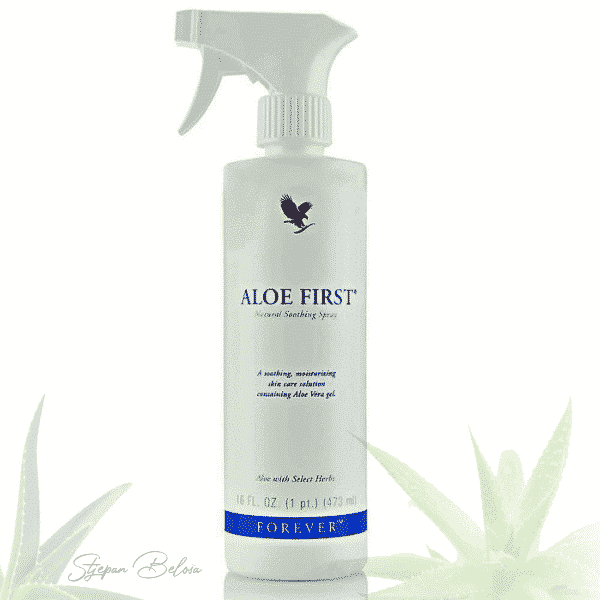 Aloe First – First aid for the skin with Aloe vera and propolis
A practical outer-care product when the goal is skin comfort and a simpler care routine.
Closest to a care routine for skin, hair or everyday personal care.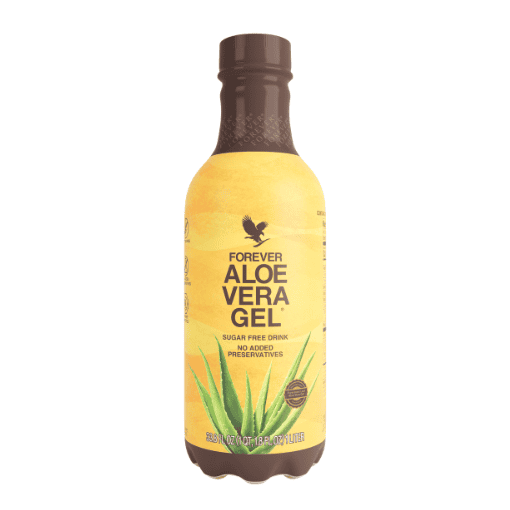 Aloe Vera Gel
A daily aloe drink for people who want simple support for digestion and routine.
It makes sense if you are looking at the topic through digestion and a simpler daily routine.Sensitive skin and atopic dermatitis: where aloe vera helps
Sensitive and reactive skin often requires special attention and care, and this is especially true for people suffering from atopic dermatitis (eczema). Characteristics such as dryness, flaking, redness and severe itching can significantly impair the quality of daily life, and they usually appear at an early age. There are numerous products on the market that promise relief, but more and more attention is being paid to natural solutions, among which aloe vera stands out in particular. In this article, we will take a closer look at atopic dermatitis, sensitive skin and the ways in which aloe vera can support the maintenance of a healthy skin barrier. We will also touch on scientific findings, possible side effects, as well as practical tips for your daily skin care routine. If you want to learn how this exceptional plant can relieve symptoms and improve the condition of your skin, keep reading!
Atopic dermatitis: causes and characteristics
Atopic dermatitis (AD), also known as eczema, is a chronic inflammatory skin condition that usually appears in early childhood, but it is not uncommon for it to first appear in adulthood. Symptoms include:
- Dryness and peeling skin: A disrupted skin barrier leads to moisture loss.
- Intense itching: Often accompanied by redness, resulting in scratching and possible secondary infection.
- Inflammation and redness: The skin's immune response leads to inflamed, sensitive areas.
The main areas affected by atopic dermatitis can be the elbow creases, knees, neck and face, although changes can occur almost anywhere. An “itch-scratch” cycle is also common, which further worsens the condition and makes it difficult for the skin to heal.
What causes atopic dermatitis?
Although the exact causes are not yet fully understood, it is known that genetic factors, the environment and the immune system play a significant role. People with a family history of allergies, asthma or eczema are often more likely to develop AD. Excessive exposure to environmental allergens, pollution or chemical irritants can also trigger inflammation. Moreover, stress and emotional states can worsen symptoms, as they strongly affect the functioning of the immune system.
For a deeper insight into the causes and clinical manifestations of atopic dermatitis, you can readthe expert article on DermNet (external link)
Sensitive skin: a wider range of problems
Sensitive skin does not necessarily mean you have atopic dermatitis, but there are certain similarities. In sensitive skin, the protective barrier is often damaged or less functional, resulting in:
- Reactivity to care products: Preservatives, fragrances, and harsh chemicals can cause burning or redness.
- The occurrence of allergic reactions: For example, contact dermatitis if the skin is exposed to irritating substances.
- Subjective feeling of tightness and burning: Often without visible changes on the surface, but with discomfort.
People with sensitive skin often need to carefully choose their skincare products, avoid potential triggers (such as strong perfumes and additives), and adjust their diet to maintain skin health. In many cases, these are the people who seek out or Forever Aloe Vera Gel, which have gained the trust of many users. It is important to remember that everyone has unique skin needs, so a certain amount of experimentation and an individualized approach is required.
Ultimately, the key is balance – with proper care and lifestyle habits, aloe vera can provide valuable support for your skin to stay hydrated, calm, and ready for new challenges.
This content is for informational purposes only and is not a substitute for professional medical diagnosis or treatment. For specific concerns, please consult a dermatologist or other qualified healthcare professional.
Products most closely related to this topic
If you want to compare concrete options after reading, these products are the closest match to the article topic.
Aloe Propolis CreamNatural daily support when you want a bee-derived or botanical product for energy and resilience.
Closest to a care routine for skin, hair or everyday personal care.Aloe First – First aid for the skin with Aloe vera and propolisA practical outer-care product when the goal is skin comfort and a simpler care routine.
Closest to a care routine for skin, hair or everyday personal care.Aloe Vera GelA daily aloe drink for people who want simple support for digestion and routine.
It makes sense if you are looking at the topic through digestion and a simpler daily routine.Short answers that help
If you are still comparing options, these are the points worth checking before you continue.
What is useful to take from this article?
Use it to understand the topic more clearly and decide whether it connects with your current routine, habits or product comparison.
When should I ask for a recommendation?
Ask when you recognize the topic but are not sure which Forever product or next step fits your situation.
Does this replace professional advice?
Sensitive skin and atopic dermatitis: How does aloe vera help? is educational content. For medical conditions, medication, pregnancy or persistent symptoms, include qualified professional advice.
Describe what you want to achieve
If you do not know which product to choose, write your goal, habits or doubts and get a more concrete suggestion.
Recommended products
Related articles to keep exploring