The key points from this article
- When we hear the term Aloe Vera First Aid, the first association is usually the soothing gel that has served for millennia as a natural ally for various skin problems.
- From mild burns and insect stings to minor cuts - Aloe Vera has long been known as a "miracle plant" that brings relief and supports natural skin renewal processes.
- For personal questions, continue with a recommendation so the next step fits your situation.
Products most closely related to this topic
If you want to compare concrete options after reading, these products are the closest match to the article topic.
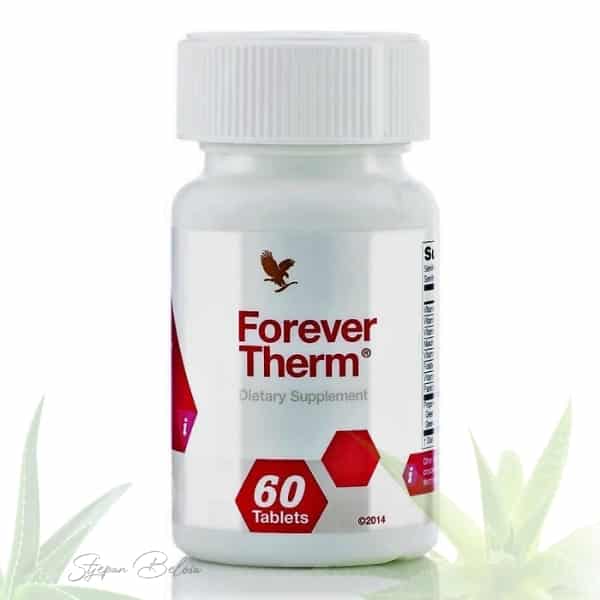 Forever Therm
Worth considering when you want energy support inside a weight-management routine.
It fits topics such as appetite, portions, energy or a weight-management routine.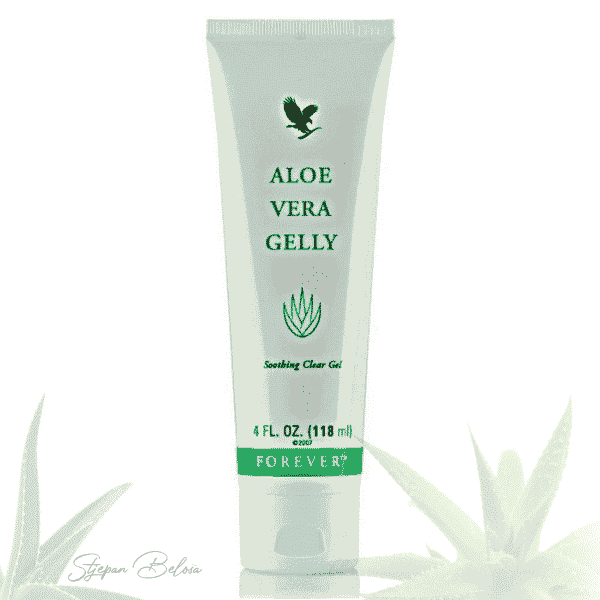 Aloe Vera Gelly
A practical outer-care product when the goal is skin comfort and a simpler care routine.
Closest to a care routine for skin, hair or everyday personal care.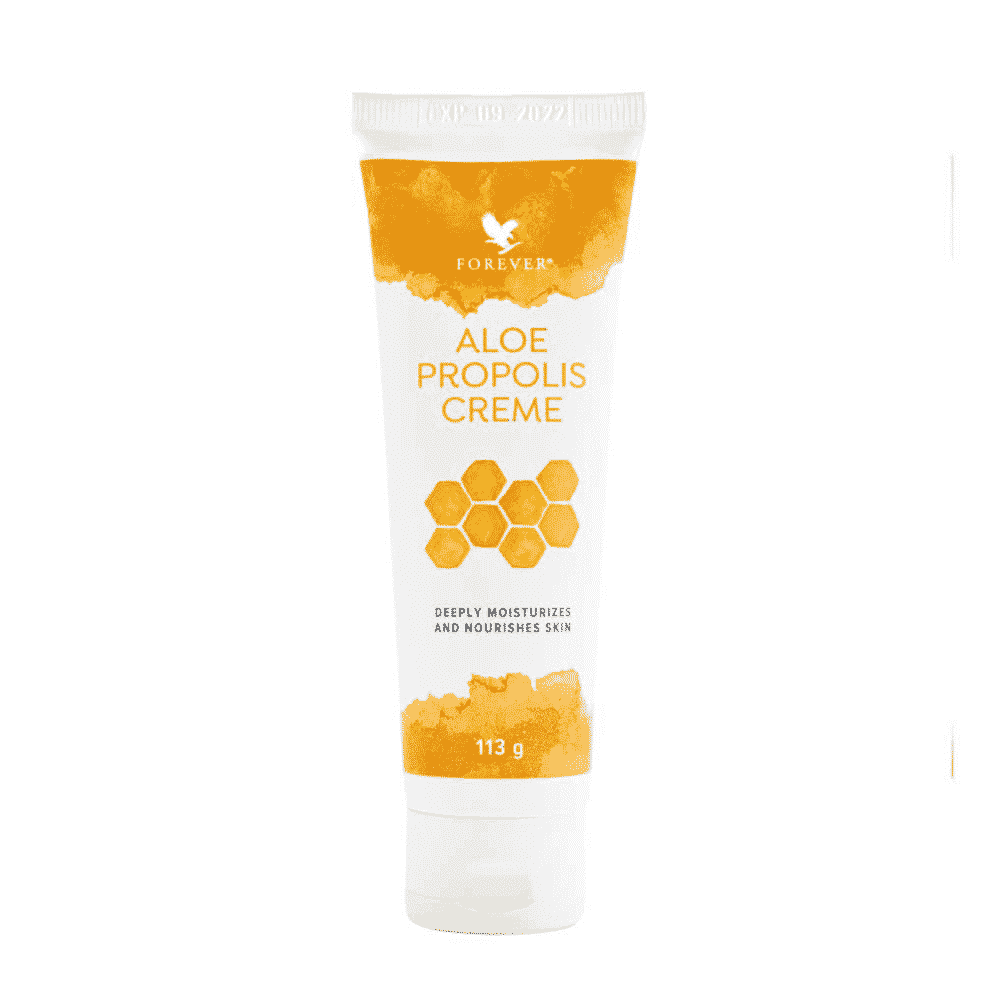 Aloe Propolis Cream
Natural daily support when you want a bee-derived or botanical product for energy and resilience.
Closest to a care routine for skin, hair or everyday personal care.Aloe Vera First Aid: how to Treat Burns, Stings, and Cuts
When we hear the term Aloe Vera First Aid, the first association is usually the soothing gel that has served for millennia as a natural ally for various skin problems. From mild burns and insect stings to minor cuts - Aloe Vera has long been known as a "miracle plant" that brings relief and supports natural skin renewal processes. But why is this plant so special, and how should it be properly used in everyday situations that require quick action? In this article, we'll explore in detail the mechanisms of Aloe Vera's action, provide basic guidelines for its application, and clarify how to combine Aloe Vera with other beneficial ingredients or products from the Forever Living range. If you've ever wanted to have effective and natural "first aid" at your fingertips, this is where you'll learn everything you need to know!
Why is Aloe Vera so Effective?
Aloe Vera (Aloe barbadensis Miller) is a succulent plant cultivated worldwide for its therapeutic properties. Beneath the thick green leaf skin lies a transparent gel rich in vitamins (especially vitamins A, C, and E), minerals, enzymes, and polysaccharides that contribute to its soothing effect on the skin. Additionally, Aloe Vera contains amino acids and various phytonutrients that possess anti-inflammatory and regenerative properties.
One of its fundamental values is its ability to retain moisture in the skin, helping with hydration while promoting the healing of minor wounds. Research onPubMed confirms that active ingredients from Aloe Vera support cell renewal and reduce the sensation of burning and itching. This is why it's so frequently used in cases of burns (whether from sun or high temperature), insect stings, and minor cuts.
Burns: how Can Aloe Vera Help?
Types of Burns and Basic Precautions
Burns can be categorized as those caused by heat, chemicals, sun rays, or electrical energy. Fortunately, most mild to moderate burns (first and second degree) can be treated at home with proper care. When we talk about the Aloe Vera First Aid approach, we usually mean:
- Sunburns: Redness, burning sensation, and skin peeling due to excessive UV exposure.
- Minor thermal burns: Contact with hot objects or liquids (e.g., oil, steam, oven).
More severe burns that affect deeper skin layers and are accompanied by fluid-filled blisters or more extensive damage require medical attention. In such cases, Aloe Vera can only be a supplementary measure, not a replacement for professional treatment.
How Does Aloe Vera Accelerate Burn Healing?
The gel from Aloe Vera leaves contains abundant water and nutrients that help reduce inflammation and irritation. Additionally, the main polysaccharide, called acemannan, stimulates skin cells for faster regeneration, accelerating the epithelialization process. This results in faster renewal of the skin's protective layer and reduced risk of infection. Aloe Vera also acts as a natural antiseptic, further contributing to safer healing.
Steps for Using Aloe Vera on Burns
If a minor burn occurs, immediately cool the area with cold water (but not ice). After that:
- Clean the skin: Gently wash the area with mild soap and water to remove dirt and bacteria.
- Apply Aloe Vera: Ideally, use fresh gel from the leaf (if available), but a quality commercial product like Forever Aloe Vera Gelly, which contains a high concentration of pure Aloe gel, is also effective.
- Protect and nurture: Let the gel absorb. If necessary, cover with sterile gauze and regularly refresh the Aloe Vera layer.
- Monitor the condition: Watch for redness, pain, blisters, or signs of infection. If the condition worsens, seek medical advice.
For additional skin support, some recommend combining Aloe Vera with other natural ingredients like honey or tea tree. However, before experimenting, check if you're not allergic to certain plant extracts.
Insect Stings: Relieving Itching and Redness
Why Do We React to Stings?
Mosquitoes, bees, wasps, and other insects inject saliva or venom into the skin during a sting. The substances contained in this sting often trigger the body's inflammatory response, resulting in itching, redness, and swelling. In people prone to allergies, the reaction can be even stronger. In mild cases, Aloe Vera can provide first aid thanks to its anti-inflammatory and soothing properties.
Using Aloe Vera for Stings
As soon as you notice an insect sting, wash the affected area with soap and water. This will remove any remaining venom or insect saliva and prevent bacteria from spreading. After cleaning:
- Apply a thin layer of Aloe Vera gel to the stung area.
- Let it absorb or cover with gauze if it's a more open wound.
- If itching is severe, repeat the application several times a day.
Due to its anti-inflammatory components, Aloe Vera can reduce swelling and redness while promoting a sense of relief. If you notice signs of a severe allergic reaction (such as extreme swelling, breathing difficulties), seek medical attention immediately.
Cuts: Support in Healing Minor Wounds
How Does Aloe Vera Affect Wound Healing?
Cuts and scratches are everyday injuries, especially if you work in the kitchen, engage in sports, or have small children. Aloe Vera helps maintain a moist environment conducive to healing while reducing the possibility of scarring and infection. Its antimicrobial properties also prevent bacteria from spreading on damaged skin.
Practical Tips for Application on Cuts
For small, superficial wounds:
- Rinse the wound: Use clean, lukewarm water to remove dirt and potential bacteria.
- Dry the area: Gently pat it with sterile gauze or a clean towel.
- Apply Aloe gel: Ideally use high-quality gel, such as Forever Aloe Vera Gelly or Aloe First spray, which you can evenly distribute.
- Cover with gauze: Depending on the wound size, use sterile gauze to reduce contact with the external environment.
- Change dressing regularly: Keep the wound clean and moist, without accumulation of dirt or bacteria.
If the cut is deeper or if bleeding doesn't stop, the best decision is to seek medical advice. Remember that Aloe Vera can be a powerful ally but doesn't replace medical treatment for serious injuries.
Forever Living Products as Part of First Aid
When thinking about Aloe Vera First Aid, it's worth mentioning some proven products from the Forever Living range that are designed specifically for quick and effective care:
Forever Aloe Vera Gel
This drink, containing a high percentage of pure Aloe Vera gel, is primarily used for internal consumption, but helps support overall health and body resistance. Some users notice skin improvement when regularly consumingForever Aloe Vera Gel as it works from within and contributes to stronger immunity. However, for direct treatment of burns, stings, and cuts, external application of special Aloe Vera preparations is recommended.
Aloe Vera Gelly
This is the product that most resembles fresh, transparent gel from the Aloe leaf. It's excellent for topical use, whether for burns, dry skin, minor cuts, or insect bites.Aloe Vera Gelly provides cooling, soothes, and creates a protective layer on the skin. Due to its texture, it's easy to apply and absorbs very quickly.
Aloe First Spray
This practical spray is a combination of Aloe Vera and other plant extracts (for example, propolis extract or chamomile). Thanks to its practical spray form, it's quickly applied to larger skin areas - excellent for treating mild burns or skin irritations.Aloe First provides relief from itching, especially after mosquito bites.
Forever Bee Propolis and other Supplements
Although not strictly an Aloe product,Forever Bee Propolis can be an interesting dietary supplement for strengthening immunity and supporting the body during recovery. Combined with Aloe Vera, propolis helps maintain balance in the body, which can contribute to better healing of minor wounds and reduced risk of infection.
Combining Aloe Vera with other Natural Remedies
Although Aloe Vera is often used alone, in practice its effect can be enhanced with other natural ingredients. For example:
- Lavender: Known for its soothing scent and antibacterial properties, lavender oil can be added in small quantities to Aloe gel to create an effective preparation for superficial burns and stings.
- Coconut oil: Adding a small amount of coconut oil can create deeper hydration for very dry skin or recovery after burns.
- Honey or honey propolis: Honey is a natural antiseptic, and propolis has anti-inflammatory properties; combined with Aloe Vera, they can help faster healing and prevent bacterial growth.
If you want to try these combinations, always do a small patch test first to ensure there's no allergic reaction. Don't forget to consult with a professional, especially if you're already using therapy for a skin or systemic condition.
Prevention and Maintaining Healthy Skin
Although burns, stings, and cuts are common occasional injuries, many can be prevented with proper protection and skin care. For example, when working in the kitchen, wear protective gloves when handling hot containers. When outdoors, especially in summer, regularly apply sunscreen (high SPF) and wear appropriate clothing. For protection against insect stings, use repellents and nets, and when possible, choose natural essential oils like citronella.
Healthy, hydrated skin is more resistant to external influences. That's why it's important to drink enough fluids and regularly use moisturizing creams or gels. Aloe Vera is a common ingredient in quality creams for daily care because it provides moisture and has mild anti-inflammatory effects, which can prevent small cracks or irritations.
Brief Overview of Aloe Vera Research
Numerous studies in recent decades have investigated the mechanism of Aloe Vera's action. Some research suggests that aloesin, an enzyme present in Aloe Vera, can have antibacterial and antiviral effects. Other studies confirm that regular topical application helps with mild dermatological problems like eczema or seborrhea. However, it's worth noting that product quality and purity play a major role.
Scientists are also studying the possibilities of oral Aloe Vera application for digestive system problems, as polysaccharides from Aloe Vera can positively affect intestinal flora. However, in the context of "first aid," topical application remains the most recognized way of using Aloe Vera.
Frequently Asked Questions (FAQ)
1. Is it Safe to Put Aloe Vera on an Open Wound?
Generally, clean and sterile Aloe Vera gel is suitable for minor and superficial wounds. However, for deeper wounds, always consult a doctor, as professional cleaning and wound treatment may be necessary. Also, check the origin of the Aloe Vera to avoid contamination or added chemicals in the gel.
2. Can Aloe Vera Cause an Allergic Reaction?
Although rare, some people may develop redness or itching after applying Aloe Vera. If you notice such a reaction, discontinue use and consult a doctor. Also, do a patch test on a small area of skin (e.g., on the forearm) before first using products containing concentrated Aloe.
3. How Often Can I Apply Aloe Vera to Damaged Skin?
Depending on the severity of the injury, Aloe Vera can be applied several times a day. For mild burns or stings, 2-3 times daily is sufficient, while for larger wounds or dry skin, application is recommended whenever you feel the area has dried out or itches.
4. Can Aloe Vera be Used to Prevent Scars?
There are indications that Aloe Vera moisturizes and softens the skin, which can contribute to reducing scar visibility. However, there's no guarantee that Aloe Vera will completely prevent scarring, especially if the wound is deeper. The best results are achieved with regular and early care.
Conclusion: Aloe Vera First Aid for all Generations
Since ancient times,Aloe Vera First Aid has been considered a natural and effective solution for a range of minor injuries. Modern research confirms that this plant is indeed rich in ingredients that support skin in the regeneration process. Whether it's a mild burn, mosquito bite, or small cut, Aloe Vera can be the first step toward quick relief and reduction of unpleasant symptoms.
If you want to experience the benefits of Aloe Vera through proven products, you can take advantage of thespecial offer and stock up on favorite Forever Living items - from Aloe Vera Gelly to Aloe First spray. By doing so, you're not only putting health and safety first but also choosing products that are the result of long-standing tradition and high quality standards.
This content is not a substitute for professional medical advice. For specific health problems and concerns, consult with a doctor or specialist.
Products most closely related to this topic
If you want to compare concrete options after reading, these products are the closest match to the article topic.
Forever ThermWorth considering when you want energy support inside a weight-management routine.
It fits topics such as appetite, portions, energy or a weight-management routine.Aloe Vera GellyA practical outer-care product when the goal is skin comfort and a simpler care routine.
Closest to a care routine for skin, hair or everyday personal care.Aloe Propolis CreamNatural daily support when you want a bee-derived or botanical product for energy and resilience.
Closest to a care routine for skin, hair or everyday personal care.Short answers that help
If you are still comparing options, these are the points worth checking before you continue.
What is useful to take from this article?
Use it to understand the topic more clearly and decide whether it connects with your current routine, habits or product comparison.
When should I ask for a recommendation?
Ask when you recognize the topic but are not sure which Forever product or next step fits your situation.
Does this replace professional advice?
Aloe Vera First Aid for Burns, Stings, and Cuts is educational content. For medical conditions, medication, pregnancy or persistent symptoms, include qualified professional advice.
Describe what you want to achieve
If you do not know which product to choose, write your goal, habits or doubts and get a more concrete suggestion.
Recommended products
Related articles to keep exploring