The key points from this article
- When we hear the termhigh cholesterol, we usually feel a sense of worry.
- It’s no wonder – elevated levels of LDL (“bad” cholesterol) are linked to an increased risk of cardiovascular disease, atherosclerosis, and other cardiovascular problems.
- For personal questions, continue with a recommendation so the next step fits your situation.
Products most closely related to this topic
If you want to compare concrete options after reading, these products are the closest match to the article topic.
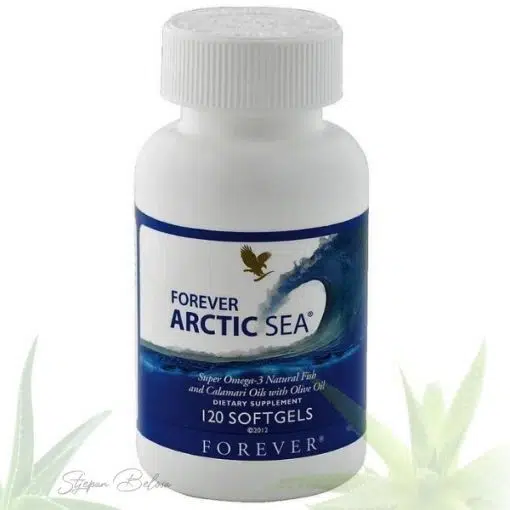 Arctic Sea Omega
A supplement for energy, heart and circulation routines when you want longer-term daily support.
Useful to compare when you are looking for energy, focus or vitality support.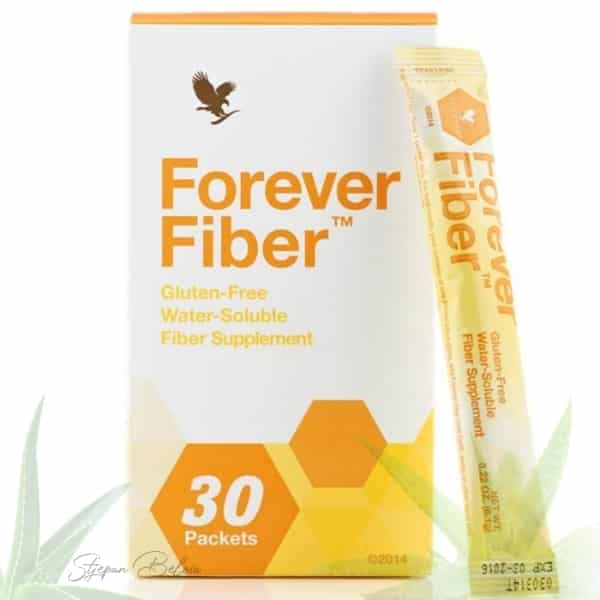 Forever Fiber - FIBER
A simple fiber add-on when you want digestion and satiety support during the day.
It fits topics such as appetite, portions, energy or a weight-management routine.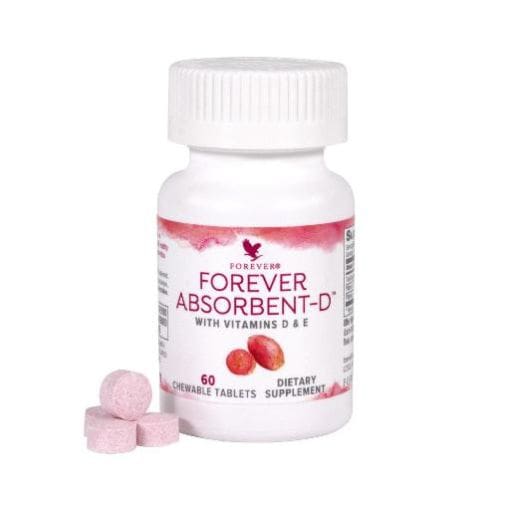 Forever Absorbent D
A simple fiber add-on when you want digestion and satiety support during the day.
It fits topics such as appetite, portions, energy or a weight-management routine.High cholesterol: the role of fiber, omega-3 and phytosterols
When we hear the term high cholesterol, we usually feel a sense of worry. It’s no wonder – elevated levels of LDL (“bad” cholesterol) are linked to an increased risk of cardiovascular disease, atherosclerosis, and other cardiovascular problems. But there are natural and effective approaches that can help regulate blood fats. This article will focus on three key allies:fiber, omega-3 fatty acids, and phytosterols. Learn how they work, where to find them, and how to combine them to achieve healthy cholesterol levels.
You may be wondering, "Sounds too good to be true? Why fiber, omega-3s, and phytosterols?" Don't worry, we'll go over everything in detail, including the latest scientific references (ega 2019 PubMed study on the effect of fiber on LDL cholesterol) and practical advice on how to apply this knowledge to real life. We'll also direct you to helpful natural supplements, likeForever Fiber orArctic Sea Omega, that can further support your cholesterol-lowering mission. And if you want a thorough overview of all the tips and products, we recommend the articleHigh Cholesterol with additional guidelines for daily practice.
Why is high cholesterol dangerous?
Cholesterol is a type of lipid that is essential for the normal functioning of the body – it is involved in the synthesis of hormones, vitamin D and the construction of cell membranes. However, when LDL cholesterol levels are too high, it accumulates on the walls of blood vessels (atherosclerosis). Over time, this can result in narrowing of the lumen of the arteries and an increased risk of heart attack and stroke.
Healthy cholesterol ranges for adults typically include:
- LDL (“bad”) cholesterol: it is desirable to have< 3 mmol/L
- HDL (“good”) cholesterol: the higher, the better (ideally> 1 mmol/L for men and> 1.2 mmol/L for women)
- Triglycerides: ideal< 1.7 mmol/L
Heredity, diet, physical activity, smoking, and various other factors can influence these values. However, most experts agree that targeted dietary changes, increasing fiber and good fats (like omega-3) are definitely worth trying to contribute to normal blood fats.
The role of fibers:"broom"for arteries and intestines
levels. For some, these approaches are effective enough to avoid or reduce their statin dosage, while others combine natural methods with conventional therapy.
Frequently asked questions
1. How long do you need to take fiber and omega-3 to notice changes?
According to experience and some research, improvements can be seen after 4–6 weeks of regular use and adequate nutrition. For permanent changes, at least 2–3 months are recommended, along with regular blood lipid monitoring.
2. Can too much omega-3 cause problems?
Excessive intake (very high doses, e.g. > 4–5 g per day) may increase the risk of bleeding, especially in people taking anticoagulant therapy. In moderate doses, such as 1–3 g per day, there are usually no serious side effects in healthy people, but always consult a doctor.
3. Are phytosterols safe for everyone?
Although they are natural, people with the rare hereditary disorder phytosterolemia should avoid high intakes of phytosterols. They are safe for most people, especially when consumed through whole foods.
4. How do I know that my cholesterol is truly caused by diet and not genetics?
If you have a family history of hypercholesterolemia, it is possible that genetics is largely to blame. However, adjusting your diet, increasing your physical activity, and using natural supplements can still provide significant improvement. Your doctor can perform additional tests to determine the extent to which genetics are a factor.
Conclusion
The fight against high cholesterol doesn't have to be limited to medication; natural strategies like fiber,omega-3 fatty acids, and phytosterols can yield remarkable results. In addition, combining these nutrients with regular physical activity, stress reduction, and periodic blood lipid monitoring usually leads to successful LDL taming and maintaining a healthy blood lipid profile.
Products most closely related to this topic
If you want to compare concrete options after reading, these products are the closest match to the article topic.
Arctic Sea OmegaA supplement for energy, heart and circulation routines when you want longer-term daily support.
Useful to compare when you are looking for energy, focus or vitality support.Forever Fiber - FIBERA simple fiber add-on when you want digestion and satiety support during the day.
It fits topics such as appetite, portions, energy or a weight-management routine.Forever Absorbent DA simple fiber add-on when you want digestion and satiety support during the day.
It fits topics such as appetite, portions, energy or a weight-management routine.Short answers that help
If you are still comparing options, these are the points worth checking before you continue.
What is useful to take from this article?
Use it to understand the topic more clearly and decide whether it connects with your current routine, habits or product comparison.
When should I ask for a recommendation?
Ask when you recognize the topic but are not sure which Forever product or next step fits your situation.
Does this replace professional advice?
Jednostavan dodatak vlakana kada želiš podržati probavu i osjećaj sitosti kroz dan.
Describe what you want to achieve
If you do not know which product to choose, write your goal, habits or doubts and get a more concrete suggestion.
Recommended products
Related articles to keep exploring