The key points from this article
- There is hardly a person who has not encountered an unpleasant headache at least once in their life.
- Whether it is a short-term pressure, throbbing pain or long-lasting, persistent episodes, headaches can greatly impair the quality of life and make everyday activities...
- For personal questions, continue with a recommendation so the next step fits your situation.
Products most closely related to this topic
If you want to compare concrete options after reading, these products are the closest match to the article topic.
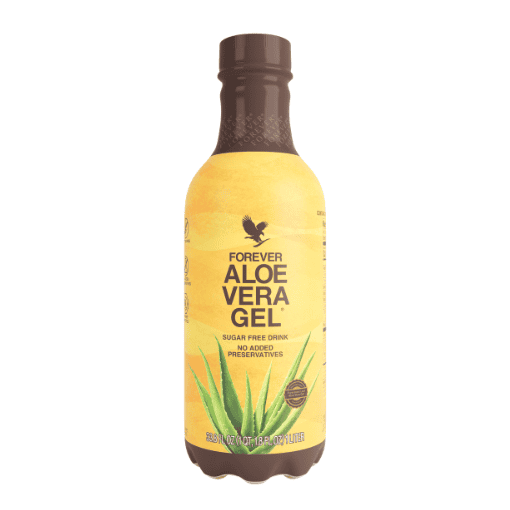 Aloe Vera Gel
A daily aloe drink for people who want simple support for digestion and routine.
It makes sense if you are looking at the topic through digestion and a simpler daily routine.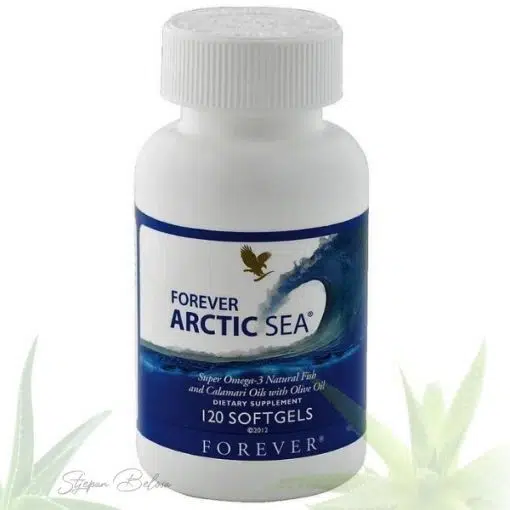 Arctic Sea Omega
A supplement for energy, heart and circulation routines when you want longer-term daily support.
Useful to compare when you are looking for energy, focus or vitality support. Forever Multi Maca
A supplement for energy, heart and circulation routines when you want longer-term daily support.
Useful to compare when you are looking for energy, focus or vitality support.The most common causes of headaches and natural approaches to solving them
There is hardly a person who has not encountered an unpleasant headache at least once in their life. Whether it is a short-term pressure, throbbing pain or long-lasting, persistent episodes, headaches can greatly impair the quality of life and make everyday activities impossible. What actually causes headaches, how to recognize the different types and what can we do to prevent and relieve them naturally? In this article, we will delve deeper into the world of headaches and offer tips for a holistic approach to solving this common problem.
If you're tired of the same old advice and want to truly understand the root cause of different types of headaches, as well as natural treatment options—from proper nutrition, beneficial herbs, to lifestyle changes—keep reading. We'll also mention some Forever Living products, like Forever Aloe Vera Gel, that can contribute to overall health and alleviate factors that contribute to headaches, as well as other tips that will help you regain control of your body and mind.
1. Quick overview: what actually causes a headache?
A headache is pain or discomfort that occurs in the head or neck area. Although it is a relatively simple concept, the causes can be very complex. Medical experts categorize headaches according to various criteria, but the most common division is into primary and secondary:
- Primary headaches – most often include migraine, tension (crippling) headache, and cluster headache. In these types, the cause of the pain is not another disease, but some internal mechanism (e.g., changes in brain chemistry, muscle tension, hereditary predisposition).
- Secondary headaches – occur as a result of other conditions or illnesses (sinusitis, high blood pressure, spinal problems, dehydration, medication side effects, hormonal changes, etc.). Once the underlying problem is resolved, the headache often resolves.
1.1. Stress and tension
Chronic stress is one of the most common triggers for headaches. When we are stressed for a long time, our bodies release hormones like cortisol and adrenaline, which can lead to tension in the muscles of the neck and scalp. This continued tension often results in a so-called tension headache.
1.2. Hormonal changes
Women are particularly prone to headaches related to hormonal fluctuations – such as during premenstrual syndrome (PMS), pregnancy or menopause. Changes in estrogen and progesterone levels can be a powerful trigger for migraines or less intense but persistent headaches.
1.3. Dehydration and poor nutrition
Insufficient fluid intake and irregular meals are also common causes of headaches. The brain is very sensitive to water loss; even mild dehydration can lead to poor blood flow and pain. In addition, refined sugars, additives, and poor-quality foods can trigger inflammatory processes in the body, which can manifest itself in more frequent headaches.
1.4. Poor posture and muscle tension
A sedentary lifestyle, improper posture at a desk, or lack of physical activity can lead to tension in the neck and shoulder muscles. This can also put pressure on the blood vessels that supply oxygen to the brain. The result is frequent and long-lasting pain in the back of the head or temples.
2. Types of headaches and how to recognize them
It is very useful to distinguish between the main types of headaches in order to better understand the mechanism of their occurrence and choose the right treatment approach. Here is an overview of the most common forms:
2.1. Tension headache
The most common type of headache, it is often described as a “band-like sensation” or constant pressure on both sides of the scalp. The pain is usually mild to moderate and can last from half an hour to several days. Stress, anxiety, and tension in the neck and shoulder muscles are most often to blame for this type of headache.
2.2. Migraine
Migraine is an intense type of headache, accompanied by a number of other symptoms: nausea, vomiting, sensitivity to light, sound, and even smells. The pain is usually throbbing, one-sided (although it can change sides) and can last from a few hours to a few days. Migraine episodes can be very debilitating, and some people also experience an aura – visual or sensory disturbances (flashes, dots, tingling) before the pain itself.
2.3. Cluster headaches
An extremely painful and relatively rare type, characterized by a series (cluster) of short, intense attacks (usually behind the eye). It can last from 15 minutes to three hours, several times a day, then disappear and return after a while. It is more common in men and may be linked to circadian rhythms.
2.4. Sinus headache
When the sinuses are inflamed due to infection or allergies, pain occurs in the forehead and cheek area. Nasal congestion, fever, and thick discharge are often present, which means that it is a secondary headache (sinusitis as the underlying problem).
3. A natural approach to treating headaches
Regardless of the type of headache, there are a variety of natural methods that can help you prevent and relieve pain. They are based on improving the general condition of the organism, reducing inflammation and stress, and improving circulation and posture. Following are some effective approaches.
3.1. Hydration and nutrition
- Water and herbal teas: Start your day with a glass of lukewarm water, and continue to drink it regularly throughout the day. Add herbal teas (chamomile, mint, ginger) that can soothe digestion and support circulation.
- Regular meals: Skipping meals causes blood sugar levels to drop, which can cause headaches. Opt for whole grains, proteins (legumes, eggs, fish), and healthy fats (avocado, nuts).
- Avoid too much caffeine: Although caffeine helps some people in the acute moment (e.g. with migraines), long-term excessive doses can cause addiction and severe headaches when the amount is suddenly reduced.
- Supplements: Some researchers have noted that magnesium, riboflavin (vitamin B2), and coenzyme Q10 may help reduce the frequency of migraine attacks. Omega-3 fatty acids, which have anti-inflammatory properties, also help.
3.2. Stress and relaxation techniques
Since stress is often behind tension headaches and can trigger migraines, it's extremely important to work on managing anxiety and tension. This may include:
- Meditation and breathing exercises: Regular mindfulness practice helps calm the nervous system and clear your mind.
- Progressive Muscle Relaxation: Slowly, consciously tense and relax individual muscle groups, starting from your toes and working your way up to your shoulders and neck. This method has been shown to be effective for reducing tension.
- Light forms of yoga or tai chi: Help stretch muscles, improve circulation and deep relaxation.
3.3. Essential oils and herbal preparations
Many people find it helpful to apply essential oils such as lavender,peppermint or rosemary. These can be massaged (diluted in a carrier oil) into the temples, forehead or neck, and their aroma and mild “cooling” effect can soothe the pain.
Herbal teas based on ginger, mint, or chamomile can have a mild analgesic and anti-inflammatory effect.aloe vera-centar.com also offers other recipes that combine aloe vera with medicinal herbs to relax the entire body.
3.4. Quality sleep and rest
Lack of sleep or poor quality sleep is directly linked to the frequency of headaches. Try to go to bed and wake up at the same time, avoid staring at a screen for long periods before going to bed. Micro-breaks, and even a short afternoon nap, can reduce the accumulated tension in the muscles of the head.
4. Aloe vera and headaches: how can it help?
Aloe vera is well known to many for its beneficial effects on the skin and digestion, but its anti-inflammatory and immunomodulatory properties may also be useful for certain types of headaches – especially when the pain is related to digestive problems, inflammatory conditions, or dehydration.
4.1. The connection between digestion and headaches
Some types of headaches, especially migraines, can be triggered by digestive issues, such as bloating, poor bowel function, or food sensitivities.Aloe vera gel, such as Forever Aloe Vera Gel, helps improve digestion, regulate gut flora, and reduce inflammation in the digestive tract. When digestion is balanced, the frequency of “digestive triggers” of migraines is also reduced.
4.2. Hydration and detoxification
Dehydration is a common cause of headaches, and aloe vera can help keep the body hydrated. It also contains vitamins, minerals and enzymes that support proper detoxification of the liver and intestines. Although aloe vera in itself is not a cure for headaches, a healthier and more balanced body is less prone to pain attacks.
4.3. Anti-inflammatory effect
Thanks to the presence of various polysaccharides (e.g. acemannan) and phytonutrients, aloe vera has a mild anti-inflammatory effect, which can benefit people suffering from chronic inflammatory conditions accompanied by headaches. At aloe vera-centar.com you can find testimonials from users who have found that regular consumption of aloe vera has helped alleviate various ailments, including a lower frequency of migraines.
5. Additional natural tips and self-help techniques
5.1. Massage and acupressure
Use gentle, circular movements to press on the temples, back of the head, and eyebrows to stimulate circulation and relax muscles. Acupressure points on the hands (e.g., between the thumb and index finger) are also traditionally used to relieve headaches.
5.2. Hot and cold compresses
A simple and effective home trick is to apply hot or cold compresses.A cold compress (a bag of frozen peas wrapped in a towel) can relieve a throbbing migraine, while a warm compress on the back of your head and neck reduces muscle tension in tension headaches.
5.3. Regular exercise
Moderate physical activity, such as walking, swimming, cycling or yoga, contributes to better blood flow and the release of endorphins (happiness hormones). All of these can prevent headaches or reduce their intensity. It is important not to overdo it if you are prone to migraines - daily light exercise is better than occasional intense workouts.
5.4. Aromatherapy and relaxation with scents
Lavender, peppermint, and eucalyptus oils are often used in diffusers or baths to clear the airways and calm the nervous system. In addition to being soothing, some of these scents can also ease the symptoms of sinus headaches (eucalyptus promotes nasal drainage).
6. How can Forever Living products support better balance?
Forever Living offers a range of products that, thanks to their high aloe vera content and other natural ingredients, can help maintain overall health – including reducing the risk of headaches. In addition to the aforementioned Forever Aloe Vera Gel, here are a few other products worth considering:
- Forever Arctic Sea: Contains omega-3 fatty acids from fish oil (EPA and DHA). As anti-inflammatory agents, omega-3s may help reduce the frequency and intensity of migraines and other inflammatory headaches.
- Forever Bee Propolis: Propolis is a natural bee product with antimicrobial and anti-inflammatory properties, useful for boosting immunity and supporting recovery. It may help those whose headaches are caused or exacerbated by frequent inflammation.
- Forever Multi-Maca: Maca has been traditionally used for hormonal balance and energy boosting; it is a potentially useful supplement for people with hormonal migraines or headaches associated with fatigue and exhaustion.
Since headaches are a multifactorial condition (stress, hormones, diet, inflammation), a combination of quality aloe vera and targeted Forever Living products can provide additional support for your body. Of course, it is recommended to consult a doctor or nutritionist before introducing any dietary supplements.
7. Frequently Asked Questions (FAQ)
1. When should I see a doctor for a headache?
Most headaches are harmless and resolve on their own with rest or natural remedies. However, see your doctor if your headaches are particularly severe, if they are accompanied by neurological symptoms (e.g., numbness, confusion, vision problems), if they come on suddenly and are very intense, or if they are frequent and significantly impair your quality of life.
2. Can a diet high in sugar cause headaches?
Yes, refined sugars can cause sudden changes in blood glucose levels, which can trigger headaches. Regular meals and a balanced diet with minimally processed foods can reduce these episodes.
3. Does drinking coffee help with headaches or is it better to avoid caffeine?
It depends on the person and the type of headache. Caffeine can constrict blood vessels and relieve the pain of some migraines. However, if you are chronically addicted to coffee, suddenly reducing caffeine can lead to a “rebound” headache. It is recommended to monitor your body's reaction and not overdo it.
4. Can aloe vera alone cure migraines?
We can't say that aloe vera "cures" migraines, as migraines are most often the result of complex genetic and biological factors. However, regular consumption of aloe vera gel can contribute to better digestion, hydration, and reduced inflammation, which can indirectly reduce the predisposition to migraine attacks or alleviate their intensity.
Conclusion and call to action
Headaches are unpleasant, but in most cases manageable. Instead of relying solely on painkillers, it’s worth exploring natural ways to prevent and relieve pain – from diet, good hydration, stress reduction, exercise to the use of anti-inflammatory and nutritional supplements like Forever Aloe Vera Gel. When we provide the body with the necessary nutrients and create conditions for better “internal balance”, headaches are much less likely to occur frequently or escalate into unbearable pain.
If you want to support your body with the help of proven and high-quality products, visitthe official Forever store and explore the special offer. Whether you are interested in Forever Aloe Vera Gel,Forever Arctic Sea or other products for complete well-being, it is the right moment to take care of your health and give yourself a chance for an easy, pain-free everyday life.
Note: This content is not a substitute for professional medical advice. If you experience frequent or extremely intense headaches, please consult your doctor or pharmacist for individual advice and diagnosis.
Products most closely related to this topic
If you want to compare concrete options after reading, these products are the closest match to the article topic.
Aloe Vera GelA daily aloe drink for people who want simple support for digestion and routine.
It makes sense if you are looking at the topic through digestion and a simpler daily routine.Arctic Sea OmegaA supplement for energy, heart and circulation routines when you want longer-term daily support.
Useful to compare when you are looking for energy, focus or vitality support.Forever Multi MacaA supplement for energy, heart and circulation routines when you want longer-term daily support.
Useful to compare when you are looking for energy, focus or vitality support.Short answers that help
If you are still comparing options, these are the points worth checking before you continue.
What is useful to take from this article?
Use it to understand the topic more clearly and decide whether it connects with your current routine, habits or product comparison.
When should I ask for a recommendation?
Ask when you recognize the topic but are not sure which Forever product or next step fits your situation.
Does this replace professional advice?
The most common causes of headaches and natural approaches to solving them is educational content. For medical conditions, medication, pregnancy or persistent symptoms, include qualified professional advice.
Describe what you want to achieve
If you do not know which product to choose, write your goal, habits or doubts and get a more concrete suggestion.
Recommended products

Related articles to keep exploring